



Woodridge is a residential community in DuPage County situated within the broader Woodridge area, characterized by planned subdivisions developed primarily through the 1970s, 1980s, and into the 1990s. That building era means a significant portion of the homes here are now running cooling systems that are well into the back half of their service lives — some past it. Illinois summers do not ease up just because the equipment is aging, and when an AC starts to struggle in July, the heat inside a home can climb faster than most families are prepared for.
Andersen Plumbing, Heating and AC Repair has been serving DuPage County communities since 1985. Our licensed technicians come prepared with the tools and parts to diagnose and repair most cooling problems in a single visit. We give you a firm price before starting any work, and we are available around the clock for those moments when a breakdown cannot wait.
Homes in Woodridge were built with the construction standards and equipment of their era, and many have seen incremental updates over the decades rather than full system replacements. It is not uncommon to find an air handler that was replaced in one decade paired with an outdoor unit from a different generation, or original ductwork that has developed leaks at joints and connections over thirty-plus years of thermal cycling. These combinations create repair situations that require a technician who looks at the whole system, not just the part that visibly failed.
Our technicians handle the full range of cooling repairs. We diagnose and repair refrigerant leaks, replace capacitors and contactors, service compressors, clean evaporator and condenser coils, repair blower motors and fan assemblies, and clear condensate drain lines. We also troubleshoot thermostat and control board failures that cause systems to behave erratically. Whatever is preventing your home from cooling properly, we trace it to the source and explain what we find before any work begins.
We service all major brands and system types, including central air, heat pumps, and ductless mini-splits.
DuPage County summers bring sustained heat and humidity that older systems in Woodridge feel acutely. Here are the signs worth acting on before the system fails completely.
Older systems in particular can move from early symptoms to a full breakdown in a short window. Call us when you first notice something off — we are available day and night.
The age profile of Woodridge’s housing stock drives a very specific pattern of AC failures that we see every cooling season. Equipment installed in the 1980s and early 1990s is now routinely past its designed service life, and the components that tend to fail first — capacitors, contactors, and coil connections — have been cycling through heat and cold for three decades or more. A capacitor that tests marginal in the spring will often fail outright during the first sustained heat wave of the summer, leaving the compressor unable to start.
Refrigerant leaks are another consistent issue in homes of this age. Copper coil tubing and brazed fittings that have expanded and contracted through hundreds of seasonal cycles develop hairline cracks and loose connections over time. These leaks are often slow enough that the homeowner does not notice the decline in cooling performance until the system can no longer keep up on the hottest days.
Duct leakage is also prevalent in Woodridge homes. Original flex duct connections and metal duct joints that were not properly sealed at installation have had decades to work loose. Conditioned air escaping into unconditioned attic or basement spaces before it reaches the living areas creates a cooling deficit that no amount of equipment repair will fully address without also fixing the distribution side.
Carol called us on a Thursday morning after her central air had stopped producing cold air overnight. She lives in the Farmingdale Village area of Woodridge in a home she purchased in the early 2000s, and she mentioned the system was original to the house and had been serviced only once in the years she had owned it.
Our technician arrived and found the run capacitor had failed — the compressor was attempting to start but could not complete the startup cycle without it. After replacing the capacitor and running a full system check, the tech found the condenser coil was moderately fouled and the refrigerant charge was slightly low, suggesting a slow leak somewhere in the system. He cleaned the coil, performed a leak check, found a pinhole at a coil connection, repaired it, and recharged the system. Carol’s home was cooling normally within the hour. The technician noted that the system was showing its age across several components and recommended she plan for replacement within the next few years. She appreciated having a clear picture of where things stood rather than being surprised by a larger failure later.
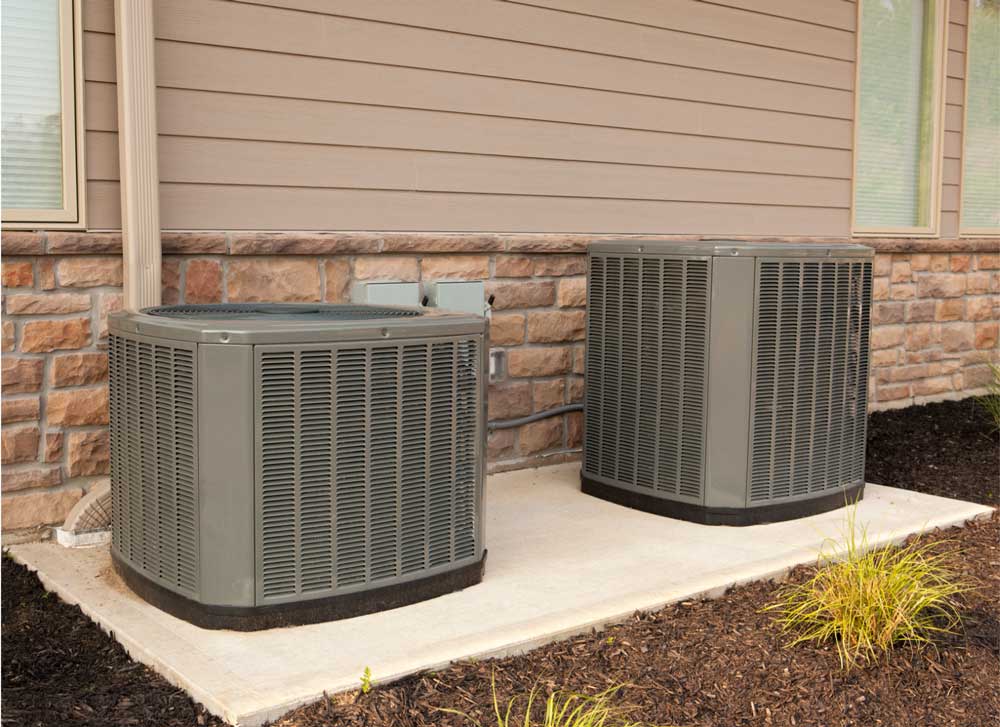
Woodridge homeowners with aging systems need a contractor who gives them straight answers, not just a quick fix. Here is what Andersen brings to every call.
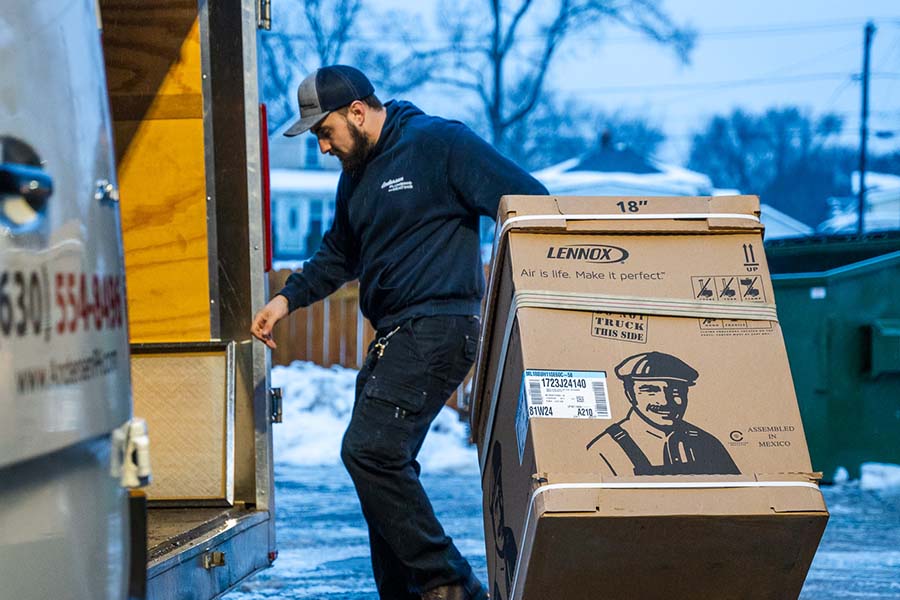
It depends on what the repair involves and the overall condition of the system. A minor fix on an otherwise healthy older unit can buy you several more years. But if the system has had multiple repairs recently or a major component like the compressor is failing, replacement is often the more practical path. Our technicians give you an honest read on both options so you can make an informed decision.
The most common cause is a failed capacitor — the component that gives the motors the electrical boost they need to start up. A failed contactor, a tripped breaker, or a wiring issue can also prevent the system from starting. A technician can identify the cause quickly with a standard diagnostic check.
Common signs include rooms that do not cool evenly, air that smells musty or dusty at the registers, and energy bills that seem higher than they should be relative to how the system is running. Leaky ducts in older homes are more common than most homeowners realize and can significantly reduce the effective cooling output of an otherwise functional system.
The plan includes annual maintenance visits, priority scheduling when you need service, and ongoing savings on repairs throughout the year. For homeowners with older systems, the maintenance visit alone often catches problems before they become emergency calls — which is where the plan pays for itself.
In many cases, yes. We stock a wide range of common parts and have access to supplier networks that cover older equipment. If a part is unavailable or the cost to source it makes repair impractical, we will tell you upfront and walk you through replacement options without any pressure.