When it comes to ensuring your home’s water is as pure as a mountain stream, exploring green filtration options can make a significant difference. You might be surprised by the simple yet effective steps you can take to enhance your water quality. From choosing the right filtration systems to embracing sustainable practices, you have the power to make impactful changes. Curious about how these tips can transform your home and community?
Understanding the Importance of Water Filtration
While you may not think about it often, water filtration plays an essential role in maintaining your health and the longevity of your plumbing systems.
Contaminants like chlorine, lead, and bacteria can lurk in your tap water, affecting both your well-being and the performance of your pipes.
When you invest in proper filtration, you’re not just ensuring cleaner drinking water; you’re also protecting your plumbing from buildup and corrosion. Additionally, professional filtration systems can effectively remove these harmful substances, improving both the taste and safety of your water.
Choosing Eco-Friendly Filtration Systems
When you’re considering water filtration systems, it’s crucial to explore eco-friendly options that suit your lifestyle. Different types of systems, like activated carbon or reverse osmosis, come with various benefits for both your health and the environment. Choosing the right one can make a significant impact on your water quality while minimizing your ecological footprint. Professional filtration ensures water is free from contaminants and enhances the overall quality of your drinking water, making it a valuable investment for your home.
Types of Filtration Systems
Choosing an eco-friendly filtration system can greatly improve your water quality while reducing your environmental footprint. When selecting a system, consider options like activated carbon filters, which effectively remove contaminants while requiring minimal energy.
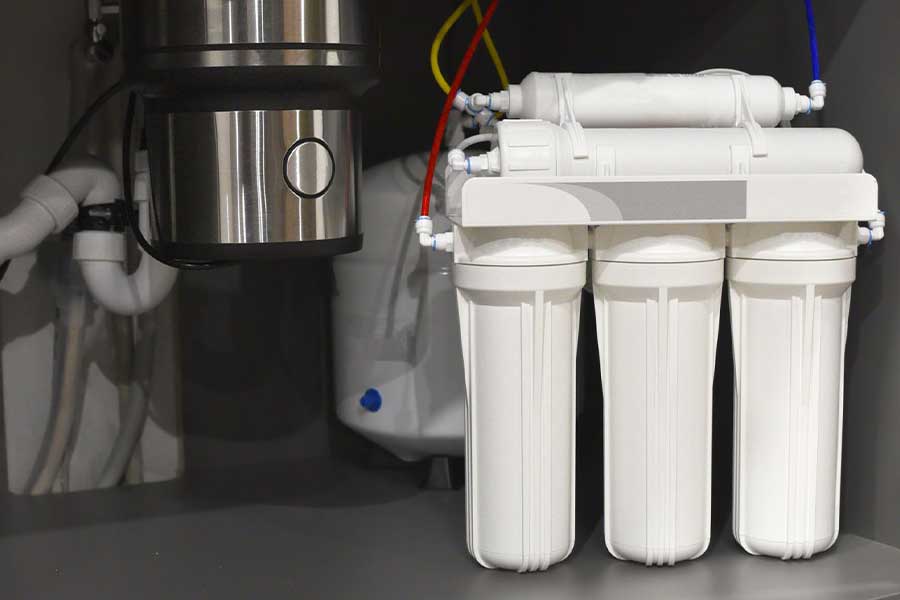
Reverse osmosis systems are another great choice—they purify water through a multi-stage process, ensuring clean drinking water. For those seeking a more natural approach, ceramic filters can eliminate bacteria without harsh chemicals.
Additionally, UV filtration systems use ultraviolet light to kill pathogens, providing a chemical-free solution. Finally, consider whole-house filtration systems to protect all your water sources.
Benefits of Eco-Friendly Options
Eco-friendly filtration systems offer numerous advantages that go beyond just improving your water quality.
By choosing these options, you’re not only making a healthier choice for your family but also for the environment.
Here are some key benefits:
- Reduced Environmental Impact: Eco-friendly systems minimize waste and pollution.
- Cost Savings: Many systems require less energy and maintenance, saving you money.
- Improved Health: They often use natural materials, reducing exposure to harmful chemicals.
- Sustainable Practices: Supporting eco-friendly products encourages responsible manufacturing and sourcing.
Utilizing Activated Carbon Filters
Activated carbon filters can greatly improve your water quality by removing impurities and odors.
When you install one, it’s essential to follow proper maintenance tips to guarantee peak performance. Additionally, traditional water softeners, which use ion exchange methods, can complement activated carbon filters by addressing hard water issues in your home.
Let’s explore the benefits and best practices for using these effective filters.
Benefits of Activated Carbon
When it comes to improving your water quality, using activated carbon filters can make a significant difference.
These filters work effectively to remove impurities, ensuring that the water you drink is cleaner and safer. Here are some key benefits you’ll enjoy:
- Removes contaminants: Activated carbon effectively eliminates chlorine, volatile organic compounds (VOCs), and other harmful substances.
- Improves taste and odor: Say goodbye to unpleasant tastes and smells in your drinking water.
- Cost-effective: Compared to other filtration systems, activated carbon filters are often more affordable and require less maintenance.
- Environmentally friendly: By reducing reliance on bottled water, you’re contributing to less plastic waste.
Installation and Maintenance Tips
Installing and maintaining activated carbon filters can greatly enhance your water quality, so it’s important to follow a few key steps.
First, choose the right filter size for your system to guarantee peak performance. When installing, make sure to follow the manufacturer’s guidelines closely.
Regularly check the filter for signs of wear or clogging—about every six months is a good rule of thumb. Replace the filter as recommended, usually every 6 to 12 months, to maintain effectiveness.
Additionally, keep an eye on water flow rates; any significant decrease could indicate a problem.
Finally, consider scheduling a professional inspection with a trusted service like Andersen Plumbing & Heating to confirm your system is running smoothly and efficiently.
Installing Reverse Osmosis Units
While you might be considering ways to improve your water quality, installing a reverse osmosis unit can be a smart choice.
These systems effectively filter out impurities, providing you with clean, great-tasting water right from your tap.
Here are some key benefits to keep in mind:
- Removes Contaminants: Reverse osmosis can eliminate harmful substances like lead, chlorine, and fluoride.
- Improves Taste: You’ll enjoy fresh, pure water that enhances the flavor of your beverages and food.
- Cost-Effective: Investing in this system can reduce your reliance on bottled water, saving you money in the long run.
- Easy Installation: Most units can be installed under your kitchen sink, making them convenient for everyday use.
- Additionally, ensuring your home has a reliable water heater is essential for overall comfort and access to hot water.
Regular Maintenance for Optimal Performance
To guarantee your reverse osmosis system operates at its finest, regular maintenance is essential. Start by checking the filter indicators monthly. When they signal a change, replace them promptly to maintain peak water quality.
Additionally, inspect the system for any leaks or unusual noises, which can indicate underlying issues.
Every six months, sanitize your system to prevent bacterial growth and maintain clean drinking water. You should also flush the system to remove any accumulated contaminants.
It’s wise to keep an eye on the pressure gauge, too; low pressure can affect performance.
Consider scheduling professional maintenance with Andersen Plumbing & Heating annually. Their licensed team can perform a thorough inspection and address concerns you might overlook.
With these steps, you’ll maintain your reverse osmosis system effectively, ensuring it provides you with safe, healthy water for years to come.
Incorporating Rainwater Harvesting
In addition to regular maintenance of your reverse osmosis system, incorporating rainwater harvesting can enhance your water sustainability efforts.
Collecting rainwater not only reduces your reliance on municipal water sources but also benefits your garden and helps conserve local resources.
Here are some tips to get you started:
- Install a rain barrel: Position it under your downspout to catch runoff from your roof.
- Use a first-flush diverter: This guarantees the initial dirty water is discarded, keeping your harvested water cleaner.
- Maintain your system: Regularly clean your barrels and filters to prevent algae and debris buildup.
- Check for local regulations: Some areas have specific guidelines for rainwater collection, so familiarize yourself with those.
Exploring UV Water Purification
How can you guarantee your drinking water is free from harmful contaminants? One effective method is using UV water purification. This technology harnesses ultraviolet light to eliminate bacteria, viruses, and other pathogens without adding chemicals to your water.
It’s a safe, eco-friendly solution that preserves your water’s taste and quality.
Installing a UV purifier is straightforward, and many models can easily integrate with your existing plumbing system. When the water flows through the chamber, UV light disrupts the DNA of harmful microorganisms, rendering them inactive.
It’s essential to choose a unit that meets your household’s flow rate and specific needs.
Monitoring Water Quality Regularly
Maintaining safe drinking water doesn’t stop with UV purification; regular monitoring of water quality is just as important.
It helps you catch any potential contaminants before they become a health risk. You should consider testing your water at least once a year, especially if you notice any changes in taste, smell, or appearance.
Here are some key aspects to monitor:
- pH Levels: Verify your water isn’t too acidic or alkaline.
- Chlorine Levels: Check if chlorine is within safe limits for drinking.
- Microbial Contaminants: Test for bacteria and other harmful microorganisms.
- Heavy Metals: Keep an eye out for lead, copper, or other toxic elements.
Reducing Plastic Waste With Reusable Bottles
Switching to reusable bottles is one of the easiest ways to cut down on plastic waste.
Not only do they help reduce your environmental footprint, but they can also save you money over time.
When choosing a reusable bottle, consider the material to guarantee it fits your needs and lifestyle.
Benefits of Reusable Bottles
Reusable bottles are a smart choice for anyone looking to reduce plastic waste and make a positive impact on the environment. By choosing reusable options, you not only cut down on single-use plastic but also enjoy several benefits that enhance your daily life.
- Cost-effective: Save money by refilling your bottle instead of constantly buying new plastic ones.
- Healthier: Many reusable bottles are made from safer materials, reducing the risk of harmful chemicals leaching into your drink.
- Durable: High-quality reusable bottles can withstand daily use, lasting you years.
- Stylish: With countless designs available, you can express your personality while staying eco-friendly.
Switching to reusable bottles is an easy step toward a greener lifestyle!
Choosing the Right Material
When it comes to reducing plastic waste with reusable bottles, choosing the right material is essential for both your health and the environment.
Opt for stainless steel or glass bottles, as they’re durable, non-toxic, and free from harmful chemicals like BPA. Unlike plastic, these materials don’t leach substances into your beverages, ensuring safer drinking.
Plus, they’re easy to clean and can withstand temperature changes without degrading. If you prefer lightweight options, look for high-quality aluminum bottles with a protective coating.
Always avoid single-use plastics; they contribute to landfill waste and pollution.
Supporting Local Water Conservation Initiatives
Supporting local water conservation initiatives is vital for guaranteeing a sustainable future, and you can play a key role in this effort. By participating in or supporting these initiatives, you help protect our precious water resources for generations to come.
Here are a few ways you can get involved:
- Join local clean-up events to remove debris from waterways and promote healthier ecosystems.
- Advocate for water-efficient practices in your community, like installing rain barrels or xeriscaping.
- Support organizations that focus on water conservation through donations or volunteering your time.
- Educate others about the importance of water conservation, sharing tips and resources with friends and family.
Your involvement can make a significant difference in preserving water quality and availability in Hinckley, IL.
Together, let’s foster a culture of sustainability and guarantee our water supply remains clean and abundant.

Conclusion
By embracing these green water filtration tips, you’re not just enhancing your home’s water quality; you’re also nurturing the environment. It’s a mindful step toward a healthier lifestyle and a more sustainable community. As you install eco-friendly systems and reduce plastic waste, you’re contributing to a brighter future for Hinckley. Together, let’s cultivate a culture of awareness and responsibility, ensuring that the essence of life—water—remains pure and plentiful for generations to come.