


Did you know that nearly 85% of U.S. homes have hard water, which can lead to costly damage over time? For homeowners in Aurora, IL, maintaining your water softener is vital to preventing these issues. By following a few essential maintenance tips, you can guarantee your system runs efficiently and lasts longer. Curious about what steps you should take? Let’s explore these key practices to keep your water softener in top shape.
Understand Your Water Softener System
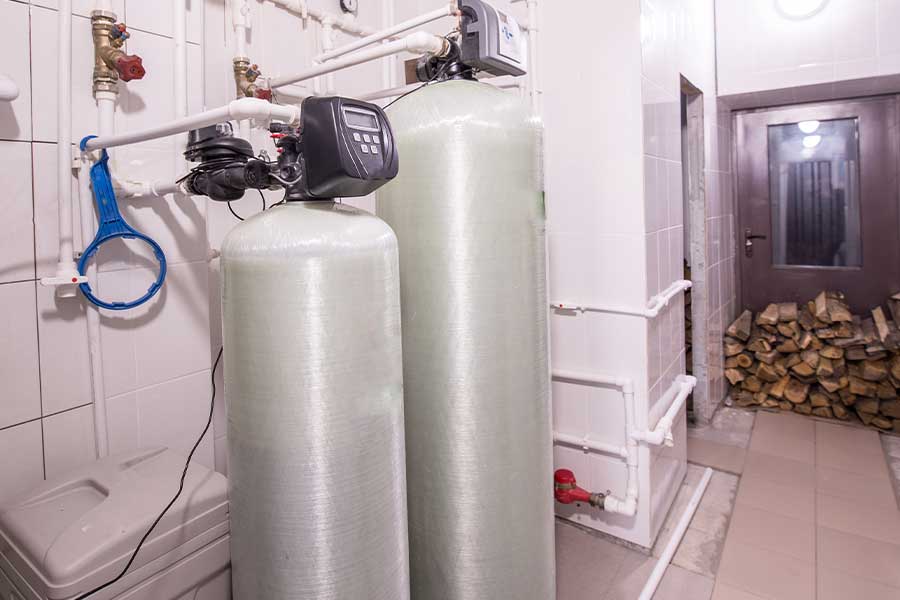
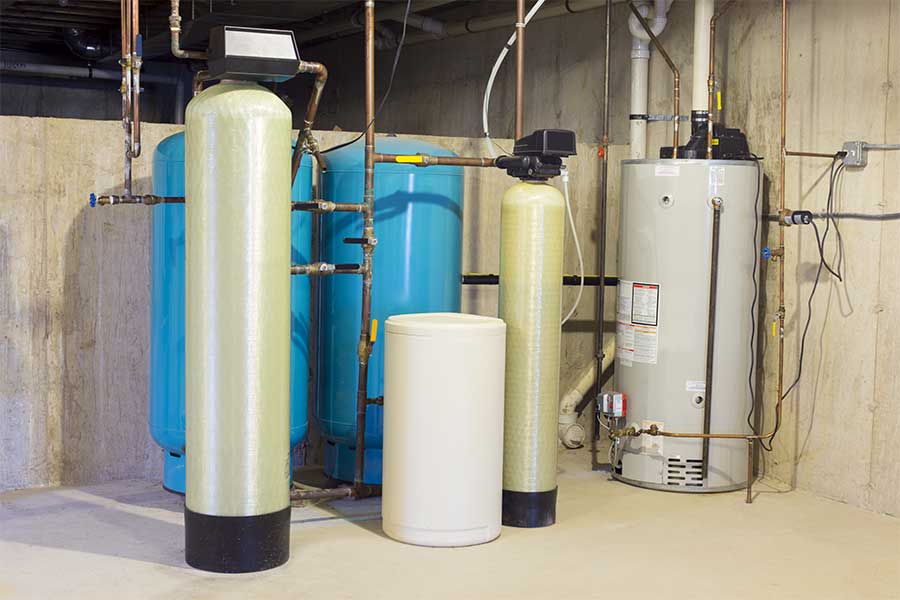
When you understand your water softener system, you can better maintain it and enjoy its benefits. Familiarize yourself with the key components, like the resin tank, brine tank, and control valve. Knowing how each part functions helps you troubleshoot issues before they escalate.
For instance, the resin tank softens hard water by exchanging calcium and magnesium ions for sodium.
Next, learn how the regeneration cycle works. This process cleans the resin beads and replenishes the sodium. Understanding this cycle guarantees you’re optimizing your system’s performance.
You should also be aware of your water’s hardness level, as it influences the frequency of regeneration. Additionally, remember that high-quality water softeners significantly improve water quality, which can enhance the effectiveness of your maintenance efforts.
Finally, keep an eye on any unusual noises or changes in water quality, as these can indicate problems. By grasping these fundamentals, you’ll not only enhance your water quality but also extend the life of your softener system.
Regularly Check Salt Levels
Maintaining ideal salt levels in your water softener is essential for its performance. When salt levels drop too low, your system can’t effectively remove hardness from your water, leading to mineral buildup and potential damage.
To keep your water softener functioning at its best, follow these tips:
- Check salt levels monthly to verify they’re sufficient.
- Use high-quality salt designed for water softeners to enhance efficiency.
- Refill the salt when it reaches about a quarter full to avoid running out.
- Monitor for any unusual signs, like decreased water softness or salty taste, which may indicate a problem. Additionally, consider consulting an expert in filtration systems to assess your overall water quality and filtration needs.
Clean the Brine Tank
Cleaning the brine tank is vital for your water softener’s efficiency and longevity. Over time, salt and water can cause sludge buildup, which reduces the effectiveness of your system.
To clean the tank, start by unplugging the water softener and turning off the water supply. Remove the brine tank cover and carefully empty any remaining salt and water. Rinse the tank with warm water to eliminate residue and debris.
Use a soft brush to scrub the sides, if needed, but avoid harsh chemicals that could damage the tank. Once it’s clean, refill the tank with fresh salt and reconnect everything.
Regularly cleaning the brine tank every six months or so will help prevent problems and keep your water softener running smoothly. By staying proactive, you’ll guarantee that your system delivers high-quality water for years to come. Proper maintenance is essential for comprehensive filtration systems to effectively remove impurities and ensure safe drinking water.
Inspect and Clean the Resin Bed
To keep your water softener running smoothly, you need to inspect and clean the resin bed regularly. Check for clarity and make sure to remove any debris that may have built up over time. This simple maintenance step can greatly enhance the efficiency of your system. Additionally, regular maintenance of your water softener can help prevent unexpected breakdowns and costly damage, similar to the benefits of routine maintenance for sump pumps.
Check for Clarity
While you mightn’t think about it often, the resin bed in your water softener plays an essential role in ensuring your water stays soft and free of minerals.
Checking for clarity in the resin bed is vital for maintaining its effectiveness. Here’s what you should keep an eye out for:
- Discoloration: Look for any unusual colors that may indicate resin degradation.
- Clumping: If you notice any clumps, it could affect the softening process.
- Debris: Inspect for any foreign particles that might’ve accumulated.
- Odor: A foul smell can signal that the resin needs attention.
Regularly inspecting and cleaning the resin bed helps keep your water softener running efficiently, ensuring that your water remains pleasant to use.
Remove Debris Regularly
Inspecting the resin bed for clarity can reveal important signs, but you shouldn’t overlook the need to remove debris regularly.
Over time, sediment and contaminants can accumulate in the resin bed, affecting your water softener’s efficiency. To keep your system running smoothly, check the resin bed every few months. If you notice any buildup, it’s time to clean it out.
Start by turning off the water supply and disconnecting the unit. Carefully remove the resin bed, rinsing it thoroughly to eliminate any debris. This simple maintenance step guarantees peak performance and extends the life of your water softener.
Monitor Water Hardness Levels
Monitoring water hardness levels is essential for maintaining the efficiency of your water softener and guaranteeing your home’s plumbing system runs smoothly.
Regularly checking these levels helps you identify when your softener needs adjustments or repairs. Here’s how to effectively monitor your water hardness:
- Use a Test Kit: Purchase a water hardness test kit from a local store or online to get accurate readings.
- Check Regularly: Aim to test your water hardness every few months or when you notice soap not lathering well.
- Adjust Settings: If hardness levels rise, adjust your softener settings to guarantee it’s working effectively.
- Document Changes: Keep a log of your test results to track any changes over time.
Schedule Professional Maintenance
To keep your water softener running at peak performance, scheduling professional maintenance is crucial. Regular check-ups by a qualified technician guarantee that all components function correctly and efficiently.
During these visits, experts can identify potential issues before they escalate, saving you time and money in the long run.
For Aurora homeowners, partnering with a reliable service like Andersen Plumbing & Heating can make a significant difference. Their licensed professionals are trained to handle everything from routine maintenance to complex repairs, providing you with peace of mind.
Consider enrolling in a maintenance plan to enjoy ongoing savings and priority service. With 24/7 emergency support, you can rest easy knowing help is just a call away.
Don’t wait for problems to arise—schedule your professional maintenance today and keep your water softener operating smoothly for years to come.
Keep Records of Maintenance and Repairs
Keeping accurate records of your water softener maintenance and repairs is essential for ideal performance.
Track service dates, document repair history, and note any replacement parts you’ve used.
This information not only helps you stay organized but also guarantees you can make informed decisions about your system’s care.
Track Service Dates
How can you guarantee your water softener runs smoothly for years to come? One of the best strategies is to track service dates meticulously. Keeping an organized record helps you stay on top of maintenance and repairs, ensuring your water softener operates efficiently.
Here are some tips to help you with tracking:
- Create a dedicated log for service dates, including repairs and maintenance tasks.
- Set reminders for regular maintenance checks to avoid delays.
- Include details like the technician’s name and any parts replaced for future reference.
- Review your log regularly to identify patterns and anticipate future needs.
With these practices, you’ll be well-prepared to keep your water softener in peak condition.
Document Repair History
Maintaining an extensive repair history for your water softener can considerably enhance its longevity and performance.
When you keep detailed records of all maintenance and repairs, you can quickly identify patterns or recurring issues. It also helps you track the frequency of service, which can inform your future maintenance needs.
Make it a habit to log dates, types of service performed, and any parts replaced. This information is invaluable when discussing your system with a technician or when considering upgrades.
Plus, having a thorough repair history can help you make informed decisions about your water softener’s overall condition. Staying organized guarantees you get the most out of your investment while simplifying future repairs.
Note Replacement Parts
Documenting the replacement parts of your water softener is just as important as tracking the maintenance and repairs.
Keeping an accurate record helps you stay organized and guarantees your system runs efficiently.
Here are four key items to note:
- Date of replacement: Track when parts were changed to anticipate future needs.
- Part details: Record the brand, model, and specifications for easy reference.
- Supplier information: Keep contact details for where you purchased parts, in case you need to order again.
- Costs incurred: Document expenses for budgeting and future planning.
Know When to Replace Your Water Softener
Knowing when to replace your water softener can save you time, money, and frustration. Pay attention to signs like decreased water flow, persistent hard water symptoms, or frequent regeneration cycles.
If you notice your water softener is over ten years old and requires constant repairs, it’s likely time for a replacement.
You might also consider replacing it if your water quality worsens or if you’re moving to a new home with different water needs.
Upgrading to a more efficient model can improve your home’s water quality and lower your utility bills.
Don’t forget to consult a professional, like Andersen Plumbing & Heating, to assess your system and guide you through the replacement process. Their expertise guarantees you choose the right solution for your needs, keeping your water softening system running smoothly for years to come.
Conclusion
By following these eight essential maintenance tips, you’ll not only improve your water quality but also extend the lifespan of your water softener. It might seem like a hassle to keep up with these tasks, but the benefits far outweigh the effort. Regular maintenance prevents costly repairs and guarantees your system runs efficiently. So, take a few moments each month to care for your water softener, and enjoy the long-term advantages of soft, clean water in your home.