



Many homeowners in Aurora, IL, don’t realize that plumbing issues can greatly impact water quality. It’s not just about taste; contaminants can pose health risks. If you suspect your water isn’t as clean as it should be, knowing the signs and how to address them can make a difference. Let’s explore how you can identify these problems and the best solutions to guarantee your water is safe and pleasant.
Common Water Quality Problems in Aurora, IL
When it comes to maintaining your home’s water quality in Aurora, IL, you might encounter several common issues that can affect your health and comfort.
One of the most prevalent problems is hard water, which contains high levels of minerals like calcium and magnesium. Scale buildup in pipes and appliances can reduce efficiency and lifespan.
You might also notice discoloration or an unpleasant odor, often caused by rust in aging pipes or bacterial growth.
Another concern is chlorine, commonly used to disinfect water. While necessary for safety, it can affect taste and smell, making drinking water less enjoyable.
Additionally, sediment can accumulate in your plumbing system, leading to cloudy water and potential health risks. Comprehensive filtration systems can help remove these impurities, ensuring your water remains clean and safe for your family.
Understanding these issues helps you take proactive steps, ensuring your water remains clean and safe for your family.
Signs of Plumbing-Related Water Quality Problems
Identifying plumbing-related water quality problems early can save you from more significant issues down the line.
Watch for signs like discolored water, which may indicate rust or contaminants. If your water has a strange odor, such as rotten eggs, it could signal sulfur bacteria or issues with your water heater.
Notice any unusual tastes? A metallic or chemical flavor can suggest plumbing issues or unsafe contaminants.
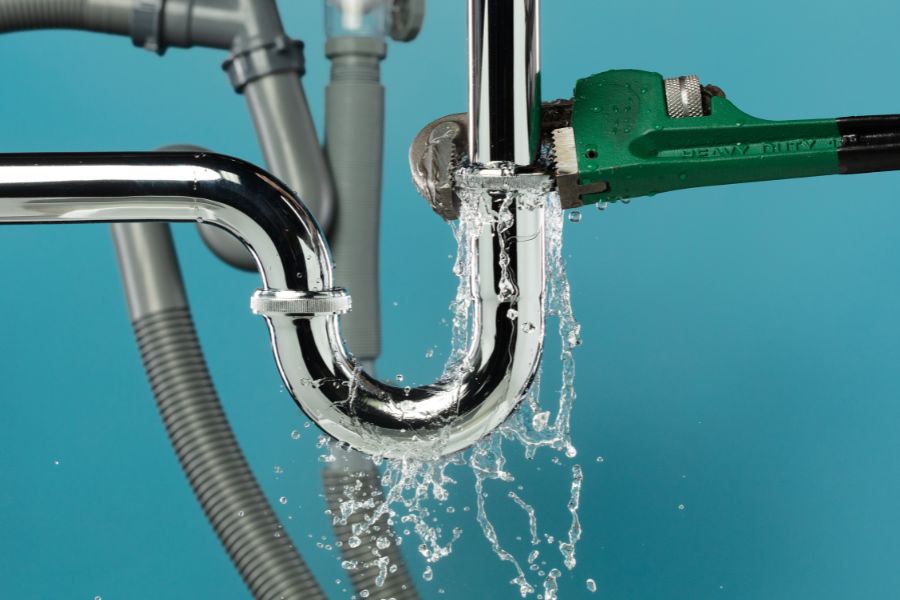
You should also be aware of persistent leaks or damp spots near pipes, as these may lead to mold growth, further compromising your water quality.
Pay attention to the buildup of sediment in faucets or appliances, which may indicate hard water problems.
Finally, if you notice frequent clogs, it might suggest deeper plumbing issues affecting your water quality. Addressing these signs promptly can help maintain clean, safe water in your home, especially by considering professional filtration systems that can effectively remove contaminants.
How to Diagnose Water Quality Issues
To effectively diagnose water quality issues in your home, start by conducting a thorough visual inspection of your plumbing system. Look for any signs of leaks, corrosion, or mineral buildup that might indicate underlying problems.
Next, test your water quality using a home testing kit. This can help identify contaminants like bacteria, lead, or chlorine.
Here are four key steps to guide you:
- Check Water Color and Odor: Look for any discoloration or unusual smells in your water.
- Inspect Faucet Screens and Showerheads: Mineral deposits can impact water flow and quality.
- Monitor Water Pressure: Notice any fluctuations that may signal plumbing issues.
- Review Your Water Source: Determine if you’re on a private well or municipal supply, as this affects water quality. Additionally, consider installing high-quality water softeners to help improve overall water quality in your home.
Solutions for Improving Water Quality
After diagnosing water quality issues in your home, it’s time to explore effective solutions that can enhance the safety and taste of your water.
First, consider installing a water filtration system. Whether you choose a whole-house system or a point-of-use filter, these solutions can greatly reduce contaminants. Regularly changing filters is essential for maintaining effectiveness.
Next, check your plumbing pipes. Replacing them with safer materials can dramatically improve water quality if they’re old or made of lead. You might also want to flush your water heater periodically to remove sediment buildup.
Another option is to add a water softener, especially if you have hard water, which can affect both taste and plumbing systems. It’s crucial to consult with a professional for expert re-piping services to ensure your new pipes meet safety and durability standards.
Finally, always test your water regularly to monitor any changes or improvements. By taking these steps, you’ll enjoy better water quality and peace of mind in your home.
When to Call a Professional for Plumbing Assistance
Wondering when it’s time to call a professional for plumbing assistance?
It’s vital to recognize the signs that indicate you need expert help. Ignoring plumbing issues can lead to more significant problems later.
Here are four situations where you should definitely reach out to a pro:
- Persistent Leaks: If you notice ongoing leaks despite your best efforts to fix them, it’s time to call in an expert.
- Low Water Pressure: Sudden drops in water pressure can signal underlying issues that require professional diagnosis.
- Discolored Water: Water that’s brown or rusty may indicate pipe corrosion or contamination, both of which need immediate attention.
- Unpleasant Odors: Foul smells coming from your drains often suggest blockages or sewage issues, necessitating professional intervention.
Don’t hesitate to contact Andersen Plumbing & Heating for reliable assistance when you encounter these issues!
Schedule Hydro Jetting Today
In conclusion, tackling plumbing-related water quality issues in Aurora, IL, involves a keen eye and a proactive approach. By inspecting your plumbing, testing your water, and considering filtration options, you can guarantee your home’s water is safe and clean. Don’t wait until the water’s gone down the drain to make changes—take action now to protect your health. If you’re still facing problems, remember, it’s always wise to call in the pros for help.