Elburn’s mix of older rural properties and newer subdivisions, such as Elburn Station, means boiler installation projects here can vary considerably depending on a home’s age, existing infrastructure, and location on the western edge of Kane County. Preparing properly for a new boiler installation helps the project move efficiently, regardless of your home’s category, and it lays the foundation for reliable performance once the system is in place.
As heating service providers in Elburn, IL, our technicians regularly walk homeowners through this preparation process. Here is what to expect and how to get your home ready.
Assess Your Home’s Space for the New Boiler
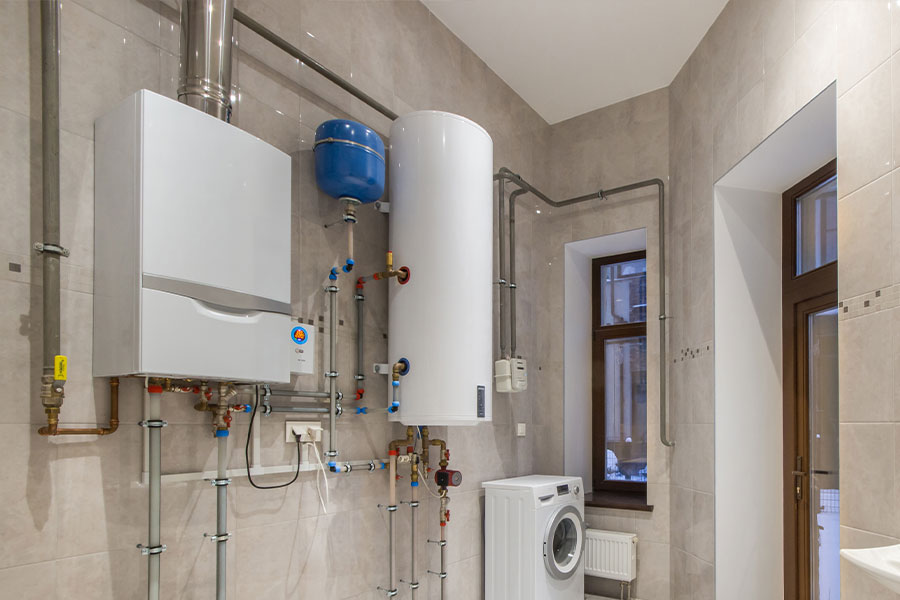
Before installation begins, evaluating the space where the boiler will be located is an important first step. The area needs to be large enough to accommodate the unit while also allowing adequate clearance for ventilation and future maintenance access.
Proximity to existing plumbing and heating infrastructure also affects installation efficiency, since shorter, more direct connections generally translate to a smoother installation and better long-term performance. Homeowners should also consider whether the space is likely to serve future needs, such as an expanding household or changing heating demands, since these factors can influence which boiler size and type makes the most sense.
Confirming the installation area is clear of furniture, stored items, and obstructions ahead of the appointment helps the installation team work efficiently and reduces disruption to the rest of the home. Meeting safety and efficiency standards during this preparation phase supports long-term system reliability from the very first day of operation.
Choose the Right Boiler for Your Needs
Selecting the appropriate boiler for a home has a meaningful impact on both comfort and long-term energy costs. Home size and hot water demand are the primary factors driving this decision. An undersized unit will struggle to keep pace with a home’s heating needs, while an oversized unit wastes energy and adds unnecessary cost.
Different boiler types suit different situations. Combi boilers tend to work well in smaller homes, while system and regular boilers are typically better suited to larger properties with higher hot water demand. Energy efficiency ratings are also worth close consideration, since a higher-efficiency model often carries a greater upfront cost but delivers meaningful savings over its operating life. Regular boiler maintenance further supports that efficiency and extends the system’s overall lifespan.
Consulting with an experienced technician before finalizing a selection helps ensure the chosen boiler genuinely fits your home’s specific needs and budget rather than defaulting to a one-size-fits-all recommendation.
Prepare Your Home’s Infrastructure for Installation
Once the right boiler has been selected, a few infrastructure considerations help ensure the installation proceeds smoothly.
- Clear the installation area: Remove furniture, decorations, or other obstacles around the site to give the installation team full access and reduce the risk of incidental damage.
- Inspect existing systems: Reviewing plumbing and electrical systems ahead of time allows any necessary repairs to be addressed before installation day, avoiding delays.
- Confirm proper ventilation: Adequate ventilation in the installation area is essential for both safety and efficient operation once the new boiler is running.
Addressing these items in advance keeps the installation process on schedule and reduces the likelihood of surprises during the appointment itself.
Communicate With Your Installer About Expectations
Clear communication with your installer before installation day helps ensure a smooth process from start to finish. Discussing your specific needs, any concerns about the timeline, and what disruptions to expect during the work allows everyone involved to be on the same page.
Sharing relevant details about your current heating system or any unique aspects of your home, such as older plumbing infrastructure or unusual layout considerations, gives the installation team the context they need to plan effectively. Establishing a clear point of contact for last-minute questions also helps, in case anything unexpected arises during the process, including how to reach support for boiler repair services if an issue develops after installation.
Understand Post-Installation Maintenance and Support
Once the new boiler is installed, ongoing maintenance and support are what keep the system performing reliably for years to come.
- Schedule annual professional maintenance: Yearly check-ups help catch developing issues early, before they become costly repairs.
- Know your emergency support options: Andersen Plumbing, Heating, and AC Repair offers 24/7 emergency service, so help is available whenever an unexpected issue arises.
- Consider ongoing membership coverage: Andersen’s $9.99/month Membership Plan provides ongoing maintenance and savings, making it easier to keep your new boiler in top condition without scheduling and budgeting each visit individually.
Regular attention through routine furnace and boiler maintenance supports the same efficiency and reliability goals that motivated the upgrade in the first place.
Andersen Sets the Stage for Your New Boiler in Elburn, IL
Preparing thoroughly for a boiler installation pays off with a smoother process and a system that performs as it should from the start. Whether your home sits on one of Elburn’s rural properties or in a newer subdivision like Elburn Station, thoughtful preparation makes the difference between a stressful installation day and a straightforward one.
Andersen Plumbing, Heating, and AC Repair has served Elburn, IL, homeowners for decades with the heating expertise this community’s varied housing stock requires. Contact our team today to discuss your boiler installation and get your home ready for reliable warmth this season.