




A dripping faucet is like a ticking clock, reminding you that time is of the essence when it comes to water leaks. If you’re facing an unexpected leak in your Montgomery home, knowing how to respond quickly can save you from extensive damage. But where do you start? Understanding the common sources and effective solutions can make all the difference in keeping your home safe and dry.
Identifying Common Sources of Water Leaks in Your Home
Water leaks can originate from several common sources in your home, and identifying them early can save you time and money.
One major area is your plumbing system, including pipes, faucets, and toilets. Look for signs of moisture around these fixtures, as they can indicate a leak.
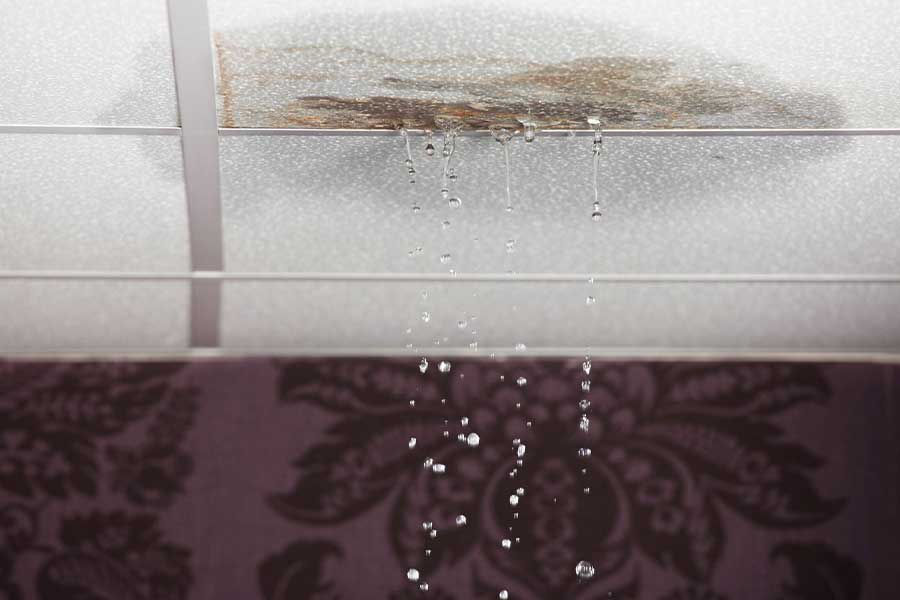
Another common source is your roof; check for missing shingles or water stains on your ceilings.
Your appliances, such as dishwashers and washing machines, can also develop leaks due to worn hoses.
Don’t forget to inspect your water heater; corrosion or faulty connections can lead to significant leaks.
Finally, examine your foundation and basement for cracks, as these can allow water to seep in.
By keeping an eye on these areas, you can catch potential leaks before they become costly problems. Regular maintenance and vigilance are key to preventing water damage in your home, and efficient detection of hidden leaks can further protect your property.
Steps to Locate and Assess the Leak
To effectively locate and assess a leak, start by shutting off the main water supply to minimize damage.
Next, check your water meter for any unusual readings; if it’s still moving with the supply off, you’ve likely got a leak.
Inspect visible pipes under sinks, around toilets, and in basements or crawl spaces for signs of moisture or corrosion. Use a flashlight to look for water spots or mold, which can indicate hidden leaks.
If you suspect a leak behind walls, tap gently on the area; a hollow sound might mean there’s water buildup. You can also listen for any hissing or dripping sounds.
Once you pinpoint the leak’s location, assess the severity. Is it a minor drip or a significant flow? Knowing this will help you decide whether you can handle the repair yourself or if you need professional assistance from experts like Andersen Plumbing & Heating. Their expert re-piping services can help address any underlying issues that may have caused the leak.
Temporary Solutions to Minimize Damage
Once you’ve pinpointed the leak, taking immediate action can help minimize damage to your home.
Start by containing the situation with these temporary solutions:
- Turn off the water supply: Locate the main shut-off valve and cut off the water to prevent further leakage.
- Use towels or buckets: Place towels or buckets beneath the leak to catch dripping water, reducing the risk of water damage to floors and walls.
- Seal with tape: For small leaks, use waterproof tape or even duct tape to cover the area temporarily. This can help slow the leak until you can make permanent repairs.
These quick fixes can alleviate immediate issues, but remember, they aren’t substitutes for professional repairs. It’s crucial to address the root cause of the leak as soon as possible to protect your home from extensive damage. Additionally, consider reaching out to a trusted emergency plumber for expert assistance in resolving the issue effectively.
When to Call a Professional for Repairs
If you notice a persistent leak or an increase in your water bill, it’s time to call a professional for repairs. Ignoring these signs can lead to more significant damage and costlier repairs down the line.
If you’ve tried temporary fixes and the leak continues, don’t hesitate to reach out for expert help. Additionally, if you see water stains on your walls or ceilings, it’s a clear indication that the problem is worsening. A licensed plumber can accurately diagnose the issue, ensuring you receive the right solution. You should also consider calling a pro if the leak is in a hard-to-reach area or involves your home’s plumbing systems. Expert technicians can quickly diagnose water heater problems to restore your home’s comfort efficiently.
Preventative Measures to Avoid Future Leaks
While leaks can happen unexpectedly, taking proactive steps can greatly reduce the risk of future issues.
Here are a few preventative measures you can implement in your home:
- Regular Inspections: Check your plumbing system annually. Look for signs of wear or corrosion in pipes, fixtures, and connections.
- Maintain Your Gutters: Clean your gutters regularly to prevent water buildup and overflow that can lead to leaks in your roof or walls.
- Monitor Water Pressure: High water pressure can strain your plumbing system. Use a pressure gauge and install a regulator if needed.
Conclusion
To summarize, addressing water leaks swiftly can save you from costly repairs and extensive damage. So, why wait until a small drip turns into a waterfall? By knowing how to identify sources, assess the situation, and apply temporary fixes, you can tackle leaks effectively. And remember, if the problem seems overwhelming, don’t hesitate to call a professional. Taking these steps not only protects your home but also gives you peace of mind for the future.