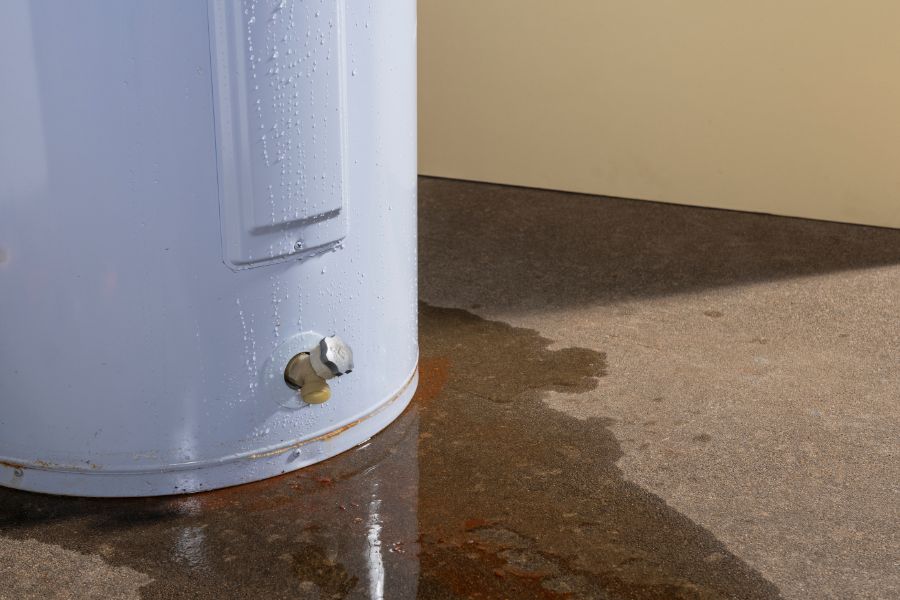
Water heater leaks can be a small inconvenience or a major headache. Knowing how to tackle these issues can save you time and money in North Aurora, IL. By identifying the source of the leak early, you can avoid costly repairs down the line. Let’s explore effective solutions that can help you maintain your water heater and guarantee it functions smoothly for years to come.
Identify the Source of the Leak
When you notice water pooling around your water heater, it’s crucial to quickly identify the leak’s source to prevent further damage.
Start by inspecting the area around the heater for any visible cracks or corrosion. Check the connections for loose fittings or damaged pipes, as these are common culprits. Look closely at the tank itself; rust or bulges can indicate a failing unit.
Don’t forget to examine the drainage pan and the discharge pipe. If you spot water coming from these areas, it might signal a more significant issue.
Listen for any unusual sounds, like hissing, which could suggest a leak inside the tank. If you’re unsure, don’t hesitate to contact a professional.
Additionally, timely intervention can help you avoid costly repairs or the need for water heater replacement altogether.
Andersen Plumbing & Heating can help you pinpoint the source and offer reliable solutions to fix the problem and restore your peace of mind.
Check the Temperature and Pressure Relief Valve
Before making repairs, it is essential to check the temperature and pressure relief valve on your water heater, as this component plays a vital role in safety.
The valve releases excess pressure, preventing potential explosions or damage. Start by locating the valve on the top or side of the tank. Inspect it for any signs of wear or corrosion.
If you notice water pooling around the valve, it might be malfunctioning. To test it, lift the lever briefly to release a small amount of water; if it doesn’t reseal, it’s time for a replacement.
Regular checks can help you catch issues early, ensuring your water heater operates smoothly. If you’re unsure about your inspection, don’t hesitate to reach out to professionals. Expert water heater repair is available from Andersen Plumbing & Heating, who can help you keep your system safe and efficient.
Inspect the Drain Valve
Inspecting the drain valve, located at the bottom of the tank, is an essential step in maintaining your water heater’s performance. This valve allows you to drain water for maintenance or flush out sediment.
To check it, look for any signs of moisture or corrosion around the valve. If you notice any leaks, tighten the valve using a wrench, but be careful not to overtighten, as this can cause damage.
You can also open the valve slightly to see if water flows out smoothly. It might need cleaning or replacement if it’s clogged or doesn’t drain properly.
Regularly inspecting the drain valve can prevent larger issues down the road, ensuring your water heater runs efficiently. Additionally, efficient detection of hidden leaks can further protect your plumbing system from unexpected failures.
Don’t hesitate to reach out to a professional, like Andersen Plumbing & Heating, if you’re unsure about handling this task yourself. Taking these steps will help you maintain a reliable and leak-free water heater.
Examine the Water Inlet and Outlet Connections
You should examine the water inlet and outlet connections when dealing with a water heater leak.
Look for any loose fittings or signs of corrosion that might cause issues.
Tightening these connections properly can often resolve the leak and prevent future problems. Additionally, if you notice persistent leaks, it may be wise to consult a professional for expert faucet repair to ensure all connections are secure and functioning correctly.
Inspect for Loose Fittings
If you’re noticing water pooling around your water heater, it’s crucial to check for loose fittings at the water inlet and outlet connections.
These fittings can wear over time, leading to leaks and potential water damage. Here’s what you should do:
- Inspect the connections for any visible gaps or movement.
- Tighten any loose fittings carefully with a wrench, but avoid over-tightening, which can cause further damage.
- Check the rubber washers and seals for wear or deterioration, replacing them if necessary.
- Monitor the area after adjustments to confirm no leaks persist.
Taking these steps can help prevent future leaks and extend the life of your water heater.
If you’re unsure, don’t hesitate to call a professional for assistance.
Check for Corrosion
Corrosion can be a sneaky culprit behind water heater leaks, especially at the water inlet and outlet connections.
When you check for corrosion, look closely at those connections for any signs of rust or deterioration. If you spot any corrosion, it’s essential to address it immediately.
Corroded connections can weaken the seals and lead to leaks, causing water damage in your home. You can clean minor corrosion with a wire brush, but you may need to replace the fittings altogether if the damage is extensive.
Tighten Connections Properly
Ensuring your water heater connections are tight is essential for preventing leaks.
Loose connections can lead to significant water damage and costly repairs. Here’s how to check and tighten those connections properly:
- Inspect the water inlet and outlet connections for any signs of looseness.
- Use a wrench to carefully tighten the fittings, but don’t overtighten, as this can cause damage.
- Check for any signs of wear or corrosion on the threads.
- If you notice persistent leaks after tightening, consider replacing the fittings.
Tighten Loose Connections and Fittings
If you’ve noticed a leak, the first step is to inspect all connections and fittings.
You’ll want to use the right tools to tighten anything that’s loose.
This simple fix can often stop the leak before it becomes a bigger problem.
Inspect All Connections
When water heaters leak, one of the first steps you should take is to inspect all connections for any signs of looseness.
Loose connections can lead to significant water damage if not addressed promptly.
Here’s what you should check:
- Supply line connections: Verify the fittings are tight and secure.
- Drain valve: Ensure it’s properly closed to prevent leaks.
- Temperature and pressure relief valve: Inspect for any drips or loose fittings.
- Pipe joints: Look for corrosion or wear that might indicate a need for replacement.
Use Proper Tools
After inspecting all connections for looseness, it’s crucial to grab the right tools to tighten those fittings securely.
You’ll need an adjustable wrench and a screwdriver, depending on the type of connection. Carefully tighten any loose fittings, but be cautious not to overtighten, as this can damage the threads and cause leaks.
Applying a bit of penetrating oil can help ease the process if you encounter stubborn connections. It’s crucial to check all supply lines and connections to the tank.
Once you’ve tightened everything, turn on the water supply and monitor for leaks. If you’re unsure or uncomfortable, don’t hesitate to contact a professional like Andersen Plumbing & Heating for assistance.
Replace Damaged or Worn-Out Parts
While a leaky water heater can be a hassle, addressing the issue by replacing damaged or worn-out parts can save you from bigger problems down the line.
Identifying and fixing these parts promptly can prevent further leaks and costly repairs.
Here are some components you might need to check and replace:
- Drain Valve: If it’s leaking, it probably needs a new one.
- Heating Elements: Corrosion can lead to leaks; replacing them keeps everything running smoothly.
- Anode Rod: This part protects your tank from rust; replacing it regularly extends the life of your heater.
- Temperature and Pressure Relief Valve: A malfunctioning valve can cause significant leaks, so it’s essential to replace it if necessary.
Consider a Water Heater Replacement
If your water heater shows signs of age or frequent leaks, it might be time to contemplate a replacement.
Upgrading to a new model can improve efficiency and save you money on utility bills.
Remember, professional installation is essential to guarantee everything runs smoothly and safely.
Signs for Replacement
When your water heater starts showing signs of wear, it’s essential to recognize the indicators that suggest a replacement is necessary.
Ignoring these signs can lead to bigger issues. Here are some key signs that it’s time for a replacement:
- Age: If your water heater is over 10-15 years old, it’s likely nearing the end of its lifespan.
- Rusty Water: Brown or rusty water indicates corrosion inside the tank.
- Strange Noises: Banging or popping sounds often mean sediment buildup, which can affect efficiency.
- Leaks: Any visible leaks around the tank or pooling water could signal a serious problem.
If you notice any of these signs, consider contacting a professional to discuss your options for a new water heater.
Benefits of Upgrading
Recognizing the signs that your water heater needs replacement is just the first step; upgrading to a new model offers numerous benefits that can enhance your home’s comfort and efficiency.
A modern water heater operates more quietly and uses energy more effectively, which can lower your utility bills. You’ll also enjoy improved water heating speeds, ensuring you have hot water when you need it.
Newer models often come with advanced safety features, providing you and your family peace of mind. Plus, with options for tankless systems, you can save space and have a continuous hot water supply.
Ultimately, upgrading not only boosts your home’s performance but can also increase its overall value.
Professional Installation Required
Although a new water heater can greatly enhance your home’s efficiency, professional installation is essential to guarantee ideal performance and safety.
When you choose to replace your water heater, you want to make sure it’s done right. Here are some reasons why professional help is vital:
- Expertise: Professionals know the ins and outs of various models and systems.
- Safety: Proper installation minimizes risks like leaks or gas issues.
- Warranty Protection: Many manufacturers require professional installation to uphold warranties.
- Time-Saving: Save yourself the hassle and get it done quickly and efficiently.
Insulate Your Water Heater
Insulating your water heater can reduce energy costs while improving efficiency. By wrapping your heater in a proper insulation blanket, you can minimize heat loss and keep your water hot for longer periods. This means your system won’t have to work as hard, leading to lower energy bills and a longer lifespan for your unit.
Additionally, insulation can help prevent condensation, which may contribute to leaks or corrosion over time.
You’ll want to guarantee the insulation fits snugly without covering any important components, like the thermostat or pressure relief valve.
If you’re not sure how to insulate your water heater properly, don’t hesitate to reach out to a professional. They can provide guidance and guarantee the job is done safely and effectively.
Insulating your water heater is a simple yet impactful step towards maintaining your home’s efficiency and preventing potential leaks.
Schedule Regular Maintenance Checks
Scheduling regular maintenance checks is crucial to keeping your water heater running efficiently and preventing leaks. This will identify potential issues before they escalate into costly repairs.
Regular maintenance not only prolongs the lifespan of your unit but also guarantees it operates at peak performance.
Here’s what you should focus on during these checks:
- Inspect the pressure relief valve to confirm it’s functioning correctly.
- Flush the tank to remove sediment buildup that can cause overheating.
- Check for signs of corrosion and leaks around the unit.
- Test the thermostat for accurate temperature readings.
Contact a Professional for Assistance
Even with regular maintenance, issues can still arise with your water heater. If you notice leaks, strange noises, or inconsistent temperatures, it’s time to contact a professional for assistance.
Attempting to fix these problems on your own can lead to further damage or safety hazards. A licensed plumber can quickly diagnose the issue and provide dependable solutions tailored to your specific situation.
At Andersen Plumbing & Heating, you’ll find a team committed to integrity and quality service. They’re available 24/7 for emergencies, ensuring you won’t be left in a bind.
Plus, their $129 Membership Plan helps keep maintenance costs down while ensuring your system runs efficiently.
Don’t let a minor issue escalate into a major problem—reach out to the experts. With their experience and professionalism, you’ll have peace of mind knowing your water heater is in good hands.

Conclusion
By identifying the source of the leak, checking valves, and inspecting connections, you can control your water heater’s health. You can also enhance its efficiency by tightening fittings, considering replacements, and insulating your unit. By scheduling regular maintenance and reaching out for professional help, you can protect your home from costly damage. Addressing water heater leaks isn’t just about fixing problems; it’s about investing in longevity, ensuring safety, and fostering peace of mind for you and your family.