


Did you know that nearly 50% of all heating system failures are linked to poor indoor air quality? In Warrenville, IL, this means that your home’s air can directly affect your heating repairs. Dust, mold, and other pollutants can clog your system, leading to inefficiencies and costly breakdowns. Understanding this connection is essential for maintaining your heating system and ensuring a healthy living environment. What steps can you take to safeguard both?
The Importance of Indoor Air Quality
Indoor air quality is essential for your health and comfort at home. When you breathe in clean air, you feel more energized and focused.
Conversely, poor air quality can lead to respiratory issues, allergies, and even headaches. Keeping your indoor environment healthy should be a priority, especially during heating season when windows are often closed.
Good air quality helps your heating system operate efficiently, reducing the risk of breakdowns and costly repairs. When your system is clogged with dust and pollutants, it has to work harder, which can lead to higher energy bills and reduced lifespan. Additionally, maintaining balanced moisture levels with high-quality humidifiers can further enhance your indoor air quality and overall comfort.
Common Indoor Air Pollutants Affecting Heating Systems
Air quality can be considerably compromised by common indoor pollutants that affect your heating systems.
Dust, pet dander, and mold are frequent culprits, accumulating in your home and clogging filters. This can force your heating system to work harder, resulting in inefficiencies and potential breakdowns.
Chemical pollutants like volatile organic compounds (VOCs) from household cleaners and paints can also circulate, impacting both your air quality and heating performance.
Poor ventilation allows these pollutants to linger, exacerbating the problem.
Carbon monoxide, though less common, is a serious concern if there are leaks in your heating system.
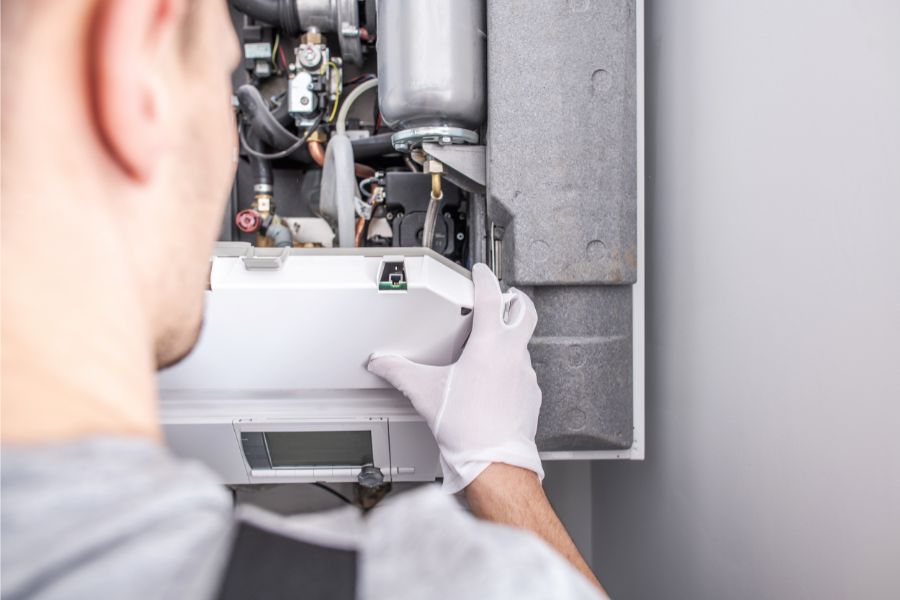
This odorless gas can pose severe health risks. Additionally, efficient boiler repair can help ensure that any heating system issues caused by poor air quality are promptly addressed, restoring both comfort and safety in your home.
How Poor Air Quality Can Lead to Heating Repairs
When pollutants like dust and mold accumulate in your home, they can compromise your heating system’s efficiency and lead to costly repairs. These contaminants can clog filters and ducts, forcing your system to work harder than it should.
As your heater struggles to maintain the desired temperature, it wears down more quickly, increasing the likelihood of breakdowns. Moreover, poor air quality can lead to overheating components and even complete system failures.
You might notice higher energy bills as your system runs longer to compensate for inefficiencies. Neglecting indoor air quality not only impacts your comfort but also puts extra strain on your heating system.
Regular cleaning and maintenance can help prevent these issues, ensuring your heater operates smoothly. If you suspect that your indoor air quality is affecting your heating system, it’s wise to consult a professional for an assessment and necessary repairs before small problems escalate into significant expenses. Additionally, regular maintenance is a long-term investment for efficiency that can help mitigate these concerns.
Benefits of Regular Maintenance for Indoor Air Quality
Regular maintenance is essential for enhancing your home’s air quality, guaranteeing you breathe easier and stay comfortable.
By keeping your HVAC system in check, you’re not just preventing breakdowns; you’re also promoting a healthier indoor environment.
Here are some key benefits of regular maintenance for indoor air quality:
- Reduces Allergens: Routine checks help minimize dust, pollen, and pet dander circulating in your home.
- Improves Efficiency: A well-maintained system runs better, reducing energy costs and environmental impact.
- Extends Equipment Lifespan: Regular servicing helps prolong the life of your heating and cooling systems, saving you money in the long run.
- Enhances Comfort: Consistent maintenance guarantees ideal temperature and humidity levels, creating a more comfortable living space.
Additionally, regular furnace maintenance ensures efficient and reliable operation, which contributes significantly to maintaining good air quality.
Investing in regular maintenance not only boosts indoor air quality but also contributes to a home’s overall efficiency.
Tips for Improving Indoor Air Quality in Your Home
Maintaining your HVAC system is just one part of improving indoor air quality. To keep dust and allergens at bay, regularly change your air filters. For ideal results, aim for a filter with a MERV rating of 8 or higher.
Next, consider investing in an air purifier. These devices can greatly reduce airborne contaminants, creating a healthier environment.
Remember humidity levels. Keeping indoor humidity between 30% and 50% can help prevent mold growth and improve overall air quality. Use a dehumidifier in damp areas, like basements.
Also, guarantee proper ventilation. Open windows when the weather permits and use exhaust fans in kitchens and bathrooms to reduce moisture and odors.
Finally, schedule regular HVAC maintenance with a trusted service provider like Andersen Plumbing & Heating. They can help identify issues that could compromise your indoor air quality, making sure your home remains a safe haven.

Conclusion
Improving indoor air quality might seem like a hassle, but it’s a simple way to save on heating repairs and energy bills. By taking a few easy steps, you can prevent dust and pollutants from clogging your system, ensuring it runs smoothly. Regular maintenance and cleaner air not only enhance your comfort but also protect your investment in heating equipment. Don’t overlook the benefits—better air quality leads to a healthier home and a longer lifespan for your heating system.