



Glen Ellyn’s tree-lined streets and historic homes date back to the early 1900s in many neighborhoods, and that history means furnaces here often sit inside heating systems that have been converted, updated, or replaced multiple times over the decades. Once winter arrives, homeowners looking for furnace repair Glen Ellyn, IL need a technician who understands how a home’s age shapes what is actually going wrong.
Andersen Plumbing, Heating and AC Repair has served Glen Ellyn and DuPage County since 1985. Our licensed technicians arrive prepared to diagnose and repair heating systems of any age, and we give you an upfront price before starting.
Furnace trouble in an older, established home does not always look dramatic at first. Here are the signs Glen Ellyn homeowners should pay attention to.
Do not assume these symptoms are just an older system showing its age. Many of these issues are fixable.
Many homes in Glen Ellyn’s older neighborhoods were originally heated with steam or hot water radiators before being converted to forced air furnaces at some point in the twentieth century. That conversion often meant ductwork was added into spaces never designed for it, which can create airflow bottlenecks that leave certain rooms chronically cooler than the rest of the home.
The mature tree canopy throughout the village also shades many properties for a large part of the day, keeping interior temperatures a degree or two cooler and putting slightly more demand on furnaces during sunny winter afternoons than in more open subdivisions. Combined with systems that are now on their second or third furnace since the original conversion, inconsistent installation quality over the decades can leave behind mismatched components.
Across the community, heat exchangers and flame sensors on furnaces older than 20 years are the most frequent focus of our winter service calls.
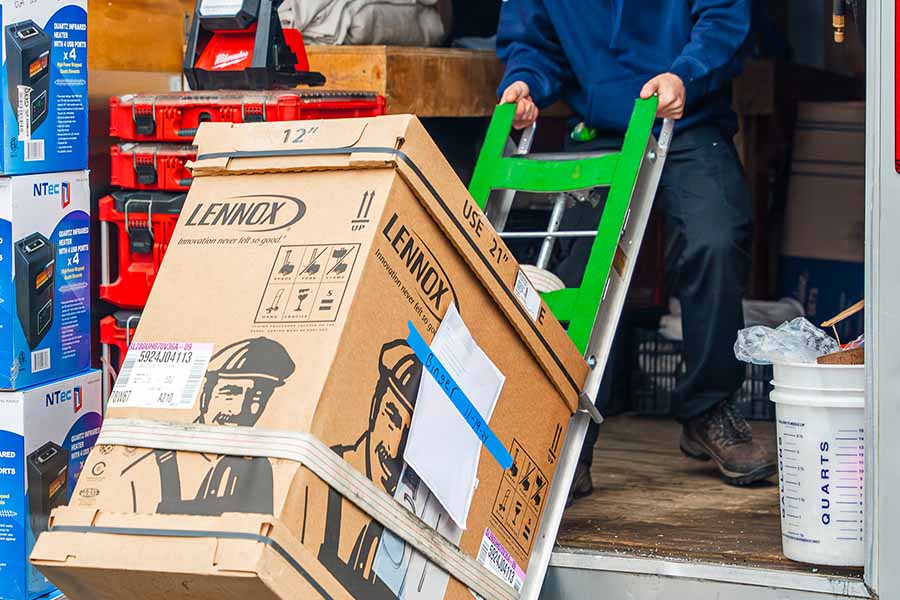
Our repair service is built to handle Glen Ellyn’s full range of furnace histories. We diagnose and repair ignitor and flame sensor issues, test and service gas valves and pressure switches, and troubleshoot blower motors and control boards when a system will not start or run consistently.
We also inspect heat exchangers for cracks or corrosion, check ductwork for airflow bottlenecks common in converted systems, and confirm thermostats are properly calibrated. If your system is short cycling, not heating certain rooms, or making unusual noises, we find the root cause and explain it clearly.
We service all major furnace brands and system types found throughout Glen Ellyn’s historic and established neighborhoods.
Carol called us on a Thursday morning after noticing her furnace had been running almost constantly without the house feeling as warm as it should. She lives near Stacy’s Corners in a home built in the early 1900s that has been converted from an original radiator system.
Our technician found the ductwork servicing the second floor was significantly undersized compared to what the current furnace could deliver, a common issue in homes converted decades ago. While the furnace itself was in good condition, it was working overtime trying to compensate for the airflow bottleneck. The tech recommended a duct evaluation to properly address the root cause and, in the meantime, adjusted the dampers to balance airflow as much as possible given the existing system. Carol’s home saw a noticeable improvement in even heating that same day.
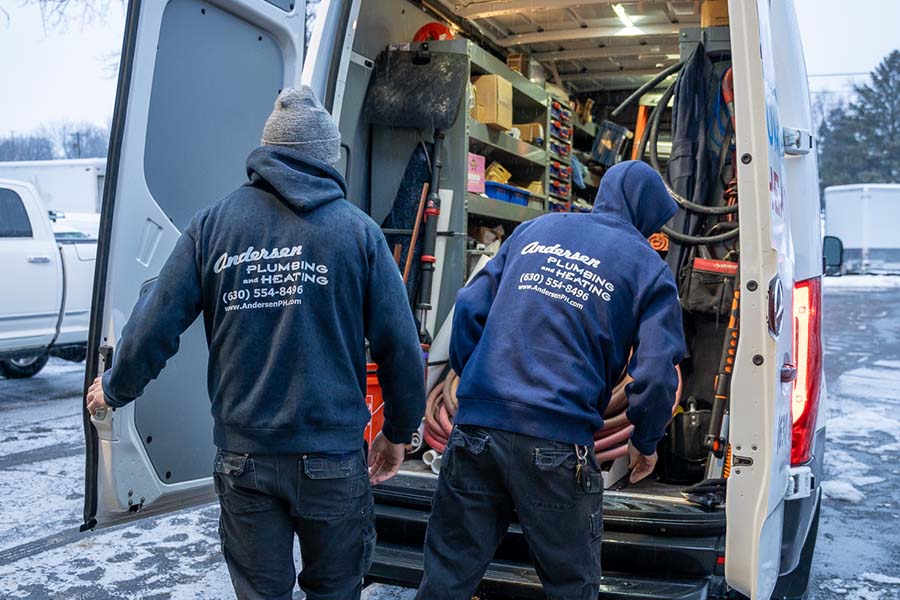
Glen Ellyn homeowners have relied on knowledgeable, honest contractors for generations, and Andersen has aimed to be that resource across DuPage County.
Historic home or not, we take the time to understand your system’s full history.

It can. Ductwork added during a conversion is sometimes undersized or routed awkwardly through spaces that were not originally designed for it, which can create airflow issues even when the furnace itself is functioning well.
This is often related to undersized or unbalanced ductwork, particularly in older homes that were converted from a different heating system. A technician can assess whether duct modifications or adjustments would help.
It depends on the specific issue and the age and condition of the system. Our technicians will give you an honest assessment and let you know if a repair makes sense or if replacement is the more practical choice.
To a small degree, yes. Homes that receive less direct sunlight during the day stay a bit cooler, which can mean the furnace runs slightly more than it would in a sunnier location.
A duct evaluation typically checks for airflow imbalances, leaks, and sizing issues throughout the system. It can identify whether comfort problems are coming from the furnace itself or from how air is being distributed through the home.