



West Chicago is one of DuPage County’s older communities, with roots going back to the railroad era and a housing stock that reflects well over a century of residential development. That history means the neighborhood streets include everything from century-old bungalows to post-war ranches to newer infill construction — and each of those eras brought its own approach to home cooling that today’s homeowners are now maintaining or replacing. When summer temperatures in DuPage County climb and the humidity settles in, every one of those homes is counting on its AC to perform.
Andersen Plumbing, Heating and AC Repair has been serving West Chicago and the broader DuPage County area since 1985. Our licensed technicians show up prepared for whatever they find, give you a firm price before starting any work, and aim to get your home comfortable again in a single visit. We answer calls day and night because cooling problems do not follow a schedule.
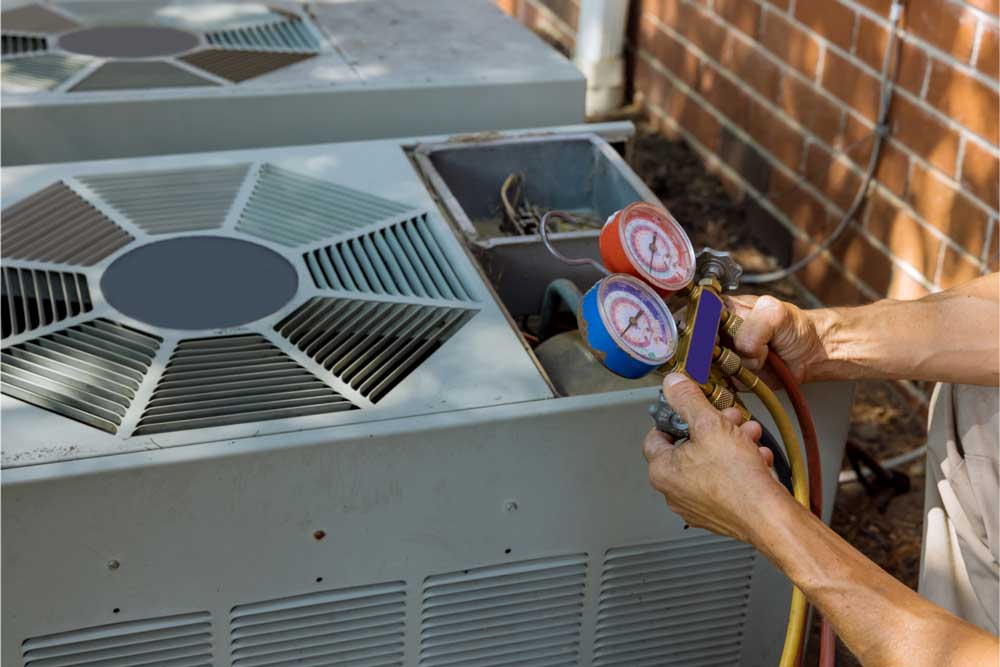
The age range of homes in West Chicago creates a repair landscape that is more varied than in younger suburban communities. Some homes have ductwork that was originally designed for forced-air heating and later adapted for cooling — not always with ideal results. Others have seen multiple rounds of equipment replacement where only part of the system was updated, leaving mismatched components that work together imperfectly. And some have original systems still running well past the point where proactive maintenance would have made a meaningful difference.
Our service covers the full range of what comes up in these situations. We handle refrigerant leak detection and repair, capacitor and contactor replacement, compressor diagnostics and service, blower motor and fan repair, and condensate drain line clearing. We also diagnose thermostat, wiring, and control board problems that cause systems to behave inconsistently. Whatever is keeping your home from cooling the way it should, we track it down and give you a straight answer before any repair begins.
We work on all major brands, including central air systems, heat pumps, and ductless mini-splits.
West Chicago summers bring the same heat and humidity as the rest of the Fox Valley — and older homes here can feel it faster. Watch for these signs that your system needs attention.
Older systems in particular can go from one of these symptoms to a full breakdown quickly. Do not put off the call — our team is available any time of day or night.
West Chicago’s age and density create a specific pattern of AC problems that sets it apart from newer suburban communities nearby. In the older residential areas near downtown and the historic rail corridor, homes frequently have duct systems that were installed for heating decades ago and later pressed into service for cooling without modification. Duct runs that are too long, too small, or poorly sealed lose a significant amount of conditioned air before it reaches the living spaces — and a system that appears to be running fine may simply be fighting a distribution problem that no repair to the equipment itself will fix.
Refrigerant leaks are a consistent issue across the older housing stock. Coil corrosion from years of exposure accelerates in humid summers, and fittings and connections on older systems develop small leaks that reduce system efficiency gradually. We see many cases where a homeowner has noticed a slow decline in cooling performance over two or three seasons without connecting it to a refrigerant issue.
In the newer infill and development areas, the problems tend to be more typical of aging suburban equipment — capacitor and contactor wear, condenser coil fouling from cottonwood and yard debris, and drain line backups in homes where the original condensate routing was not set up for long-term reliability.
Paul called us on a weekday morning after discovering his central air had stopped cooling overnight. He lives in one of the older homes near the historic downtown area of West Chicago, a house that has been in his family for years and retains much of its original character — including, it turned out, a duct system that had been there since before central AC was added.
Our technician found the evaporator coil heavily restricted with dust and debris — years of buildup that had never been cleaned. The system was running, but airflow through the coil was so reduced that it was barely moving conditioned air into the ducts. After a thorough coil cleaning and a full system check, the technician also identified that several duct connections in the basement had separated over time, allowing conditioned air to escape into unconditioned space before reaching the living areas. The coil cleaning alone brought the system back to functional, and Paul chose to have the duct work addressed in a follow-up visit. He told us the house had never cooled evenly in the years he had owned it. It had not been a broken AC — it had been a distribution problem that looked like one.
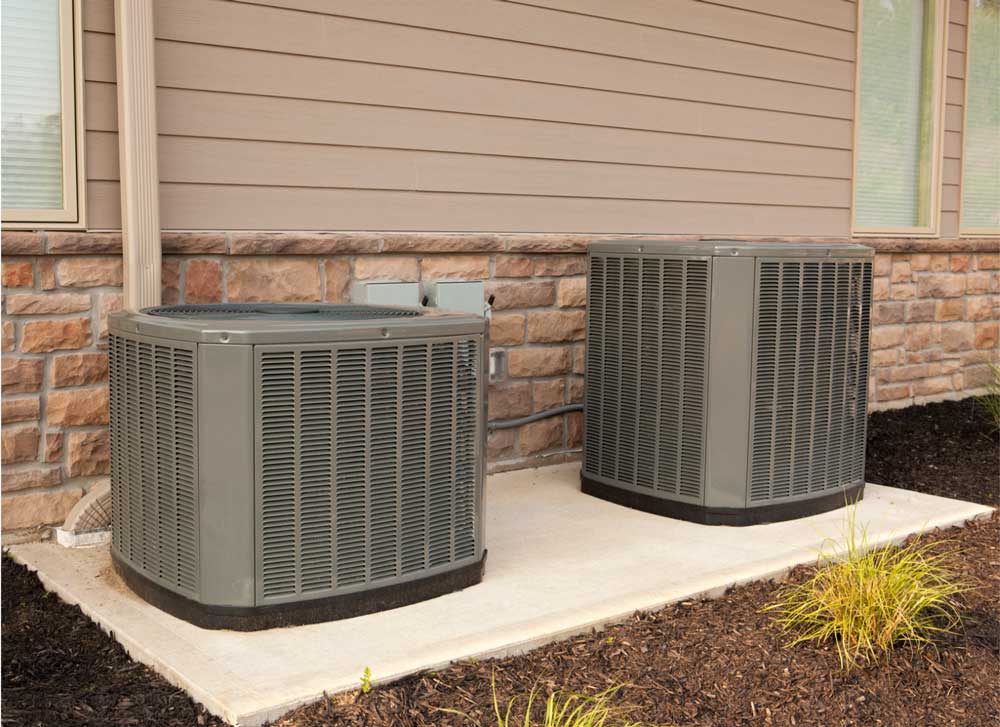
West Chicago homeowners — whether they are in a century-old bungalow or a newer construction — deserve a technician who knows how to read a system in its full context. Here is what Andersen brings to every call.
It can be either — or both. Uneven cooling in older homes is often a combination of a duct system that was not designed for modern cooling loads and equipment that may be slightly undersized or in need of service. A technician can assess both the equipment and the distribution side to give you a complete picture of what is happening.
Signs include rooms that do not cool well despite the system running, dusty or musty air from registers, and higher-than-expected energy bills. A technician can inspect accessible duct connections during a service call. In many older homes, some duct leakage is present and goes unaddressed for years because the symptoms look like an equipment issue.
In many cases, yes. The limiting factors are parts availability and whether the cost of repair makes sense relative to the system’s condition and remaining life. We give you an honest assessment and tell you upfront if we think replacement is a better path than repair for your specific situation.
The plan covers annual maintenance visits, priority scheduling, and ongoing savings on repairs. For homeowners with older systems they are trying to keep running, regular maintenance visits often catch failing components before they cause a breakdown — which almost always costs less than an emergency repair call.
Yes. We offer financing options for both repairs and full system replacements. Our team will walk you through what is available when we assess your situation so you can make a decision that fits your budget and your timeline.