



Winfield sits between Wheaton and West Chicago in DuPage County, bordered to the south by the West Branch of the DuPage River. That river corridor and the open green space surrounding the village keep summer humidity elevated in areas closest to the water. For Winfield homeowners, a cooling system that can manage both heat and humidity through July and August is what keeps the house livable.
Andersen Plumbing, Heating and AC Repair has served Winfield and DuPage County since 1985. Our licensed technicians respond quickly, give you a clear price before beginning any work, and carry the parts to fix most cooling problems on the first visit. We are available around the clock because a broken AC on a humid summer evening in Winfield cannot wait.
Winfield’s housing stock reflects two distinct periods of development. Older sections near downtown and along the river often have homes with equipment histories spanning multiple decades of repairs and partial updates. Newer subdivisions from the 1990s onward have more uniform systems, but many of those are now hitting the age range where components begin to fail with increasing frequency.
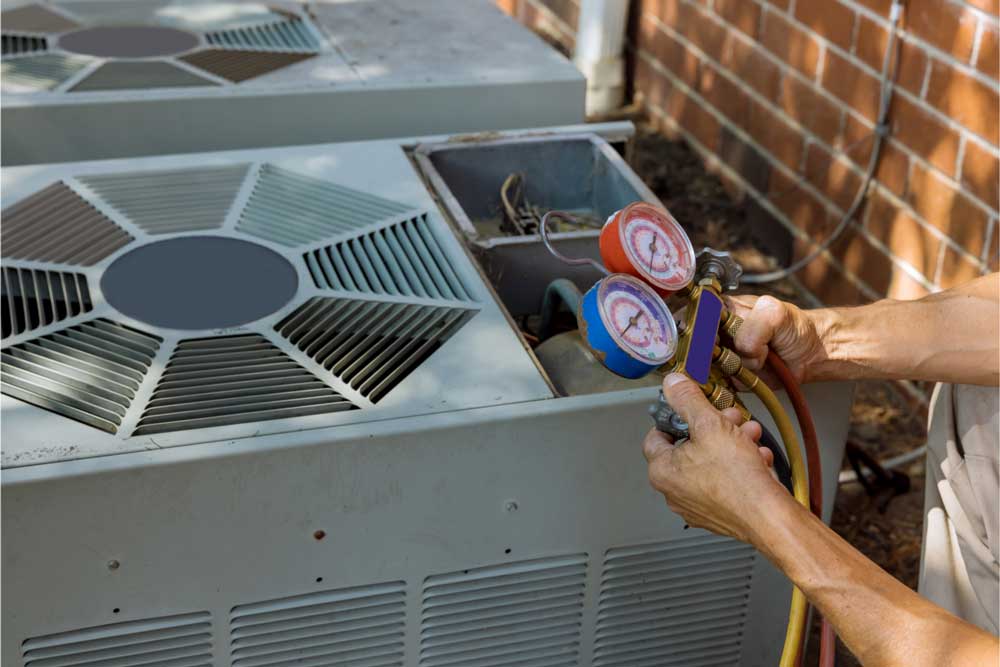
We handle the full range of cooling repairs for both. Our technicians diagnose and repair refrigerant leaks, replace worn capacitors and contactors, service compressors, clean evaporator and condenser coils, repair blower motors, and clear clogged condensate drain lines. We also troubleshoot thermostat and control board problems that cause unpredictable system behavior. Whatever is keeping your home from cooling the way it should, we find out why and tell you clearly before we fix anything.
We work on all major brands, including central air systems, heat pumps, and ductless mini-splits.
Winfield’s proximity to the DuPage River means humidity is a constant factor through the cooling season. These are the signs your system needs attention before something bigger fails.
A home that feels sticky even when the system is running is telling you something important. Call us when you notice it — catching it early almost always means a simpler, less costly repair.
The West Branch DuPage River corridor creates a localized humidity profile that puts real demands on cooling equipment. Homes closest to the river experience elevated ground-level humidity that forces evaporator coils to work harder removing moisture from indoor air. That added workload accelerates compressor wear and contributes to corrosion-related refrigerant leaks over time.
In the older neighborhoods, we regularly find condensate drainage setups that were not built for long-term reliability. Drain lines routed to floor drains or laundry tubs become problematic as those drains slow with age. A backed-up condensate line that overflows into a finished basement causes significant water damage — and in Winfield’s lower-lying lots near the river, that plays out faster than most homeowners expect.
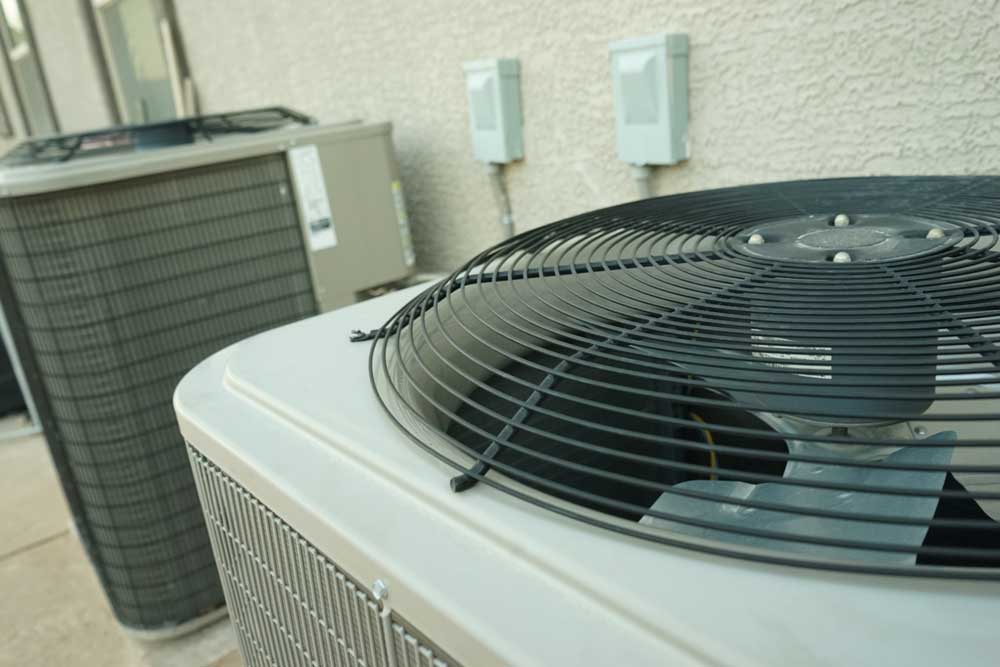
In the newer subdivisions, the pattern shifts but the urgency does not. Capacitor failures, condenser coil fouling from cottonwood and lawn debris, and slow refrigerant leaks at fittings that have cycled through years of thermal expansion are the calls we respond to most often. All of these respond well to early intervention and routine maintenance.
Mike called us on a Friday afternoon after getting home from work to find his house at 83 degrees despite the system running all day. He lives in the Kresswood Trails neighborhood in a home built in the late 1990s and was not certain when the AC had last been serviced.
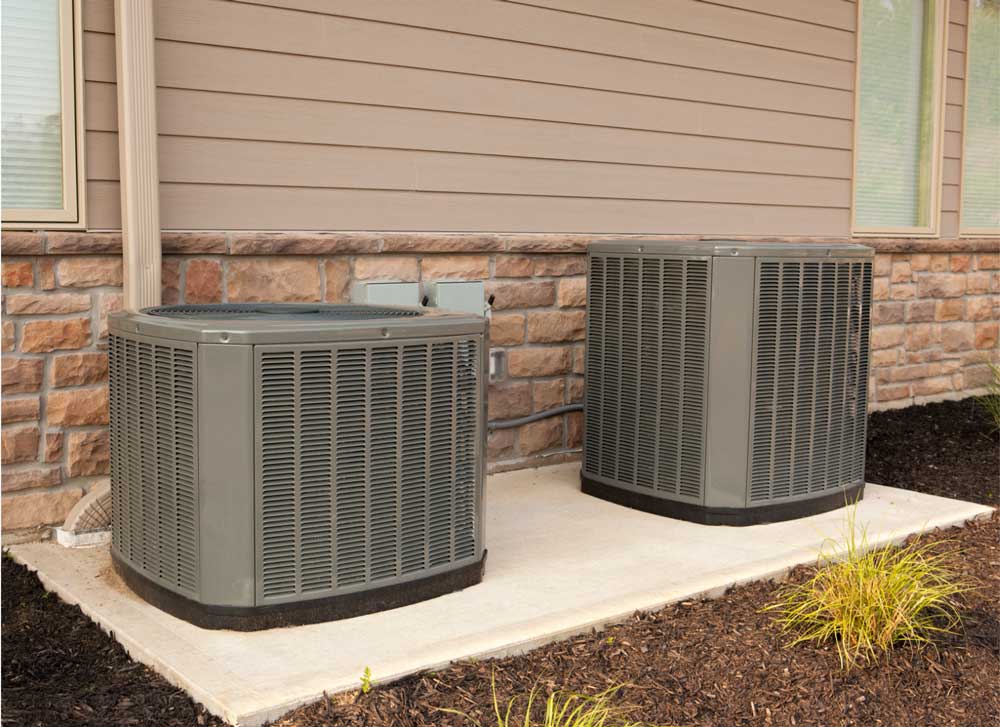
Our technician found two problems working together. The condenser coil was heavily fouled with cottonwood and debris, restricting airflow and preventing the system from releasing heat properly. On top of that, a capacitor test showed the run capacitor was well below its rated value, meaning the compressor had been struggling even without the coil restriction. The tech cleaned the coil, replaced the capacitor, and ran a full system check before leaving. The refrigerant charge was within spec and the compressor tested healthy. Mike’s house was cooling properly by early evening. He asked how often the outdoor unit should be cleaned, and our tech walked him through what an annual check-up covers — which led to Mike scheduling one for the following spring before the technician left.
Winfield homeowners deserve a contractor who is straightforward about what they find and what it costs. Here is what Andersen delivers on every call.
This usually points to a few things. An oversized system that short-cycles will cool the temperature quickly but not run long enough to remove adequate moisture. Low refrigerant causes the evaporator coil to run warmer than it should, reducing its dehumidifying ability. A dirty evaporator coil has the same effect. Any of these are worth having a technician check.
Turn the system off and call us. Water dripping from the air handler usually means the condensate drain line is blocked or the drain pan is overflowing. In homes with finished basements, leaving the system running in this condition can cause water damage quickly. We clear drain lines as part of both repair visits and annual check-ups.
Most repairs are completed in one to three hours during a single visit. If a specific part needs to be ordered, our technician will let you know before leaving and give you a realistic timeline for the follow-up so you are not left guessing.
For most homeowners, yes. Catching a failing capacitor, a slow refrigerant leak, or a fouled coil during a scheduled visit typically costs far less than fixing the damage those problems cause when left to fail mid-season. Our $129 Membership Plan makes it easy to stay on schedule without having to remember to call each year.
Absolutely. When a repair cost is significant relative to the age and condition of the system, we will tell you directly and walk you through both options. We are not going to push a repair that will not serve you well, and we are not going to recommend replacement unless it genuinely makes sense for your situation.