A water heater functions much like the heart of a home’s plumbing system, quietly delivering hot water on demand until something goes wrong. When it does, whether that means leaks, strange noises, or inconsistent temperatures, the disruption to daily routine is immediate and hard to ignore. Identifying the root cause quickly is what separates a straightforward repair from a much more involved one.
As a trusted plumbing team in Batavia, IL, we encounter the full range of water heater issues throughout the community. Here is what typically causes the most common problems and what a professional response addresses.
Identifying Water Heater Leaks
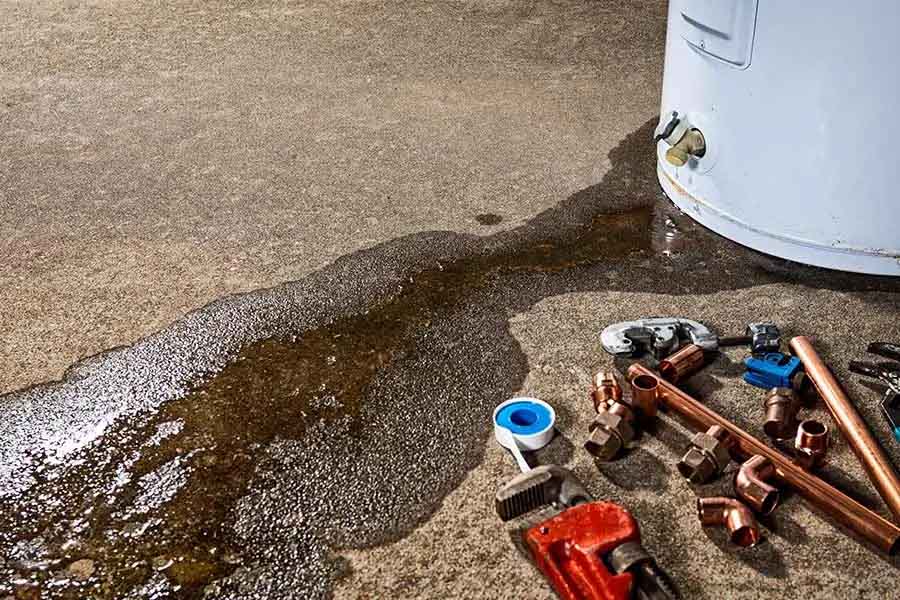
Water pooling around a water heater always warrants prompt attention, since the cause can range from a minor, easily corrected issue to a sign that the tank is nearing the end of its service life.
Loose fittings on the inlet or outlet connections are a common source of leaks, as is a pressure relief valve that has begun to malfunction or is responding to excessive tank pressure. Corrosion or cracking within the tank itself is a more serious possibility, and a drain valve that is not fully closed can also allow water to seep out gradually. Because these causes require different responses, and because tank corrosion in particular can indicate the unit is failing rather than simply leaking from a fixable point, professional diagnosis is the most reliable way to identify the actual source. In cases where the tank itself has deteriorated, water heater replacement is often the more sensible long-term solution compared to a series of repairs on an aging unit.
Troubleshooting No Hot Water Issues
A sudden loss of hot water is frustrating, and while a few basic checks can rule out simple causes, most underlying issues call for professional evaluation.
Confirming the thermostat has not been accidentally adjusted to a low setting is a reasonable first step, as is checking whether a circuit breaker serving an electric unit has tripped. For gas units, a pilot light that has gone out is a common and recognizable cause, though relighting it should always follow the manufacturer’s specific safety instructions closely. Beyond these basic checks, signs such as visible corrosion, unusual noises, or a persistent odor indicate issues that require a technician’s diagnostic tools to identify properly. A pattern of insufficient hot water or water that runs out unusually quickly is one of the more common signs that professional water heater repair is needed.
Resolving Strange Noises From Your Water Heater
Unusual sounds from a water heater carry useful diagnostic information about what is happening inside the unit.
Popping, rumbling, or gurgling sounds typically indicate sediment buildup in the tank, a common issue that develops gradually as minerals settle out of the water supply. This buildup forces the unit to work harder and reduces overall efficiency, which is why professional tank flushing is a standard part of routine water heater maintenance. Hissing or sizzling sounds can point to a leak or a malfunctioning heating element, both of which warrant a professional inspection rather than continued operation. A banging noise often indicates water hammer, a condition in which sudden stops in water flow cause pipes to vibrate, typically resolved through professional installation of water hammer arrestors at appropriate points in the plumbing system.
Addressing Water Discoloration Problems
Discolored water is often caused by rust or sediment in the water heater, though the exact source is not always obvious without some initial troubleshooting.
Checking whether discoloration affects every tap in the home, rather than only the hot water, helps determine whether the issue originates with the municipal water supply or within the water heater itself. When discoloration is limited to hot-water taps, sediment buildup or a corroding anode rod in the tank is the likely explanation. Because inspecting and servicing an anode rod involves working directly inside a pressurized tank, it is best left to a licensed technician rather than attempted independently. For homes dealing with ongoing water quality concerns beyond what the water heater alone can explain, filtration options can provide additional protection for water quality throughout the home.
Fixing Inconsistent Water Temperature
Inconsistent hot water temperature typically traces back to one of a few underlying causes, each of which benefits from professional assessment to ensure it is resolved correctly.
Thermostat settings that have shifted from their intended levels are a straightforward first possibility to check. Sediment accumulation within the tank is another common contributor, reducing heating efficiency over time in much the same way it produces the noises described above. For tankless or electric models, a malfunctioning heating element can also cause temperature inconsistency, and diagnosing which element requires attention is a job for a technician with the right diagnostic equipment.
Andersen Keeps Batavia’s Hot Water Flowing Reliably
Water heater problems rarely resolve on their own, and catching them early, whether through unusual sounds, discoloration, or inconsistent temperatures, makes the eventual repair considerably more manageable. A licensed professional can accurately diagnose the specific cause and address it correctly the first time.
Contact our team today to schedule a water heater inspection and keep the hot water in your Batavia home running smoothly and safely.