
Maintaining your plumbing system is crucial for a hassle-free home, preventing leaks and ensuring efficiency. Regularly checking for leaks and monitoring water pressure can catch issues before they escalate. Additionally, keeping your water heater in check and inspecting your sump pump are important tasks. Want to discover more practical tips to save time and money while enhancing your home’s plumbing? Let’s explore the top ten maintenance strategies homeowners in Montgomery, IL should consider.
Regularly Check for Leaks
One of the simplest ways to prevent costly plumbing issues is by regularly checking for leaks throughout your home.
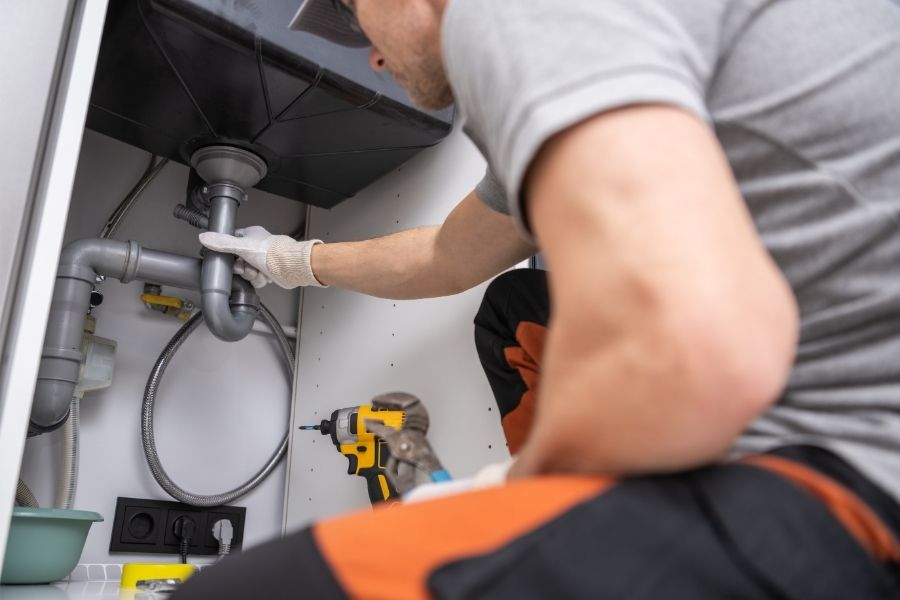
Start by inspecting visible pipes under sinks, in basements, and around appliances. Look for water stains, damp spots, or pooling water that might indicate a leak. Don’t forget to check your faucets and showerheads; even a small drip can waste gallons of water over time.
Next, monitor your water meter. If it’s running when you’re not using any water, you might have a hidden leak. You can also look for unusually high water bills, which could signal a problem.
Taking a proactive approach will save you money and frustration down the line. Regular inspections can also help eliminate clogs and restore flow, ensuring your plumbing system functions smoothly.
If you do spot a leak, don’t hesitate to call a professional like Andersen Plumbing & Heating. They’re ready to provide honest solutions and help you keep your plumbing in top shape.
Maintain Your Water Heater
To keep your water heater running efficiently, you should regularly check the temperature settings, flush out any sediment, and inspect the anode rod. These simple tasks can extend the life of your unit and guarantee it operates safely. Additionally, consider scheduling professional water heater replacement if your unit shows signs of age or inefficiency.
Regularly Check Temperature Settings
While it might seem straightforward, regularly checking the temperature settings on your water heater is essential for both efficiency and safety.
Ideally, you should keep it set at 120 degrees Fahrenheit. This temperature helps prevent scalding while ensuring your water heats effectively. If the setting’s too low, you risk bacterial growth, particularly in tankless systems. Conversely, a higher setting can lead to energy waste and increase the risk of burns.
Make it a habit to check these settings every few months. If you’re unsure how to adjust it or if you’ve experienced any issues, don’t hesitate to call a professional.
Andersen Plumbing & Heating is always ready to help with any water heater concerns you might have. Your safety and comfort matter!
Flush Sediment Annually
Flushing sediment from your water heater annually is essential for maintaining its efficiency and prolonging its lifespan. Over time, minerals and debris can accumulate at the bottom of the tank, leading to reduced heating efficiency and potential damage.
To flush your water heater, first, turn off the power and cold water supply. Connect a garden hose to the drain valve, leading it to a bucket or outside. Open the valve and let the water drain until it runs clear. This process helps remove sediment, improving your heater’s performance.
After flushing, close the valve, refill the tank, and restore power. Regular maintenance like this can save you money on energy bills and costly repairs.
Inspect Anode Rod
After flushing sediment from your water heater, it’s time to check the anode rod. This vital component prevents tank corrosion, extending its life.
Inspect it at least once a year, and replace it if it’s markedly corroded. Here are some signs to look for:
- Corrosion: If the rod is heavily corroded, it’s time for a replacement.
- Bubbles or flakes: These indicate deterioration and reduced effectiveness.
- Short lifespan: The anode rod needs regular checks if your water heater is under five years old.
- Water discoloration: Rusty water can signal that the anode rod isn’t doing its job.
Inspect Your Sump Pump
Regularly inspecting your sump pump is essential for preventing costly water damage in your home. Start by checking the power source; verify it’s plugged in and functioning properly.
Next, look for any rust or corrosion signs indicating wear and tear. Test the pump by pouring water into the sump pit to see if it activates. You may need to replace the float switch or the entire unit if it doesn’t.
Additionally, inspect the discharge pipe for clogs or leaks. Clear any debris that might obstruct water flow.
Remember to check the sump pump backup system, if you have one, to confirm it’s operational during power outages. By keeping your sump pump in prime condition, you’ll be better equipped to handle heavy rains and prevent flooding. Regular maintenance services ensure optimal performance, which can help avoid unexpected breakdowns.
Make it a habit to inspect your sump pump at least twice a year for peak performance.
Clean Out Your Drains
To keep your plumbing running smoothly, cleaning out your drains regularly is crucial. Clogs can build up over time, leading to slow drainage or even backups. Taking a proactive approach can save you from costly repairs down the line.
Here are some simple tips to help you maintain clean drains:
- Use a drain strainer: This prevents debris from entering your pipes.
- Flush with hot water: Regularly pour hot water down your drains to break up grease and soap buildup.
- Baking soda and vinegar: This natural mixture can effectively clear minor clogs and freshen up your drains.
- Schedule professional cleanings: Consider having a plumber clean your drains annually for a thorough inspection. Regular maintenance can help prevent serious plumbing issues and maintain the efficiency of your plumbing system.
Monitor Water Pressure
Monitoring your water pressure is essential for maintaining your plumbing system. Ideally, it should be between 40 and 60 psi; anything higher can lead to leaks and damage.
Watch for signs of high pressure, like noisy pipes or water hammer, so you can address issues before they escalate.
Ideal Water Pressure Range
Water pressure is essential to your home’s plumbing system, affecting everything from shower comfort to appliance efficiency.
Maintaining the ideal water pressure range is vital, typically between 40 and 60 psi (pounds per square inch). If your water pressure falls outside this range, it can lead to various issues.
Here are some reasons why monitoring your water pressure is important:
- Guarantees the peak performance of appliances
- Prevents pipe leaks and bursts
- Enhances shower experience and water flow
- Reduces wear and tear on plumbing systems
You can regularly check your water pressure using a gauge or consult a professional to confirm it’s within the ideal range.
Keeping it in check helps maintain a healthy plumbing system and prolongs the life of your fixtures.
Signs of High Pressure
When your water pressure is too high, it can create various problems within your plumbing system. You might notice leaks around pipes, faucets, or fixtures, leading to costly water damage.
Additionally, high pressure can cause premature wear on your appliances, like dishwashers and washing machines, leading to expensive repairs. If you hear unusual noises, like banging or knocking in your pipes, that’s another sign of high pressure.
You may also find that your water bills increase unexpectedly, indicating a potential issue. To avoid these problems, regularly monitor your water pressure and consider installing a pressure-reducing valve if necessary.
If you’re unsure, don’t hesitate to call a professional, like Andersen Plumbing & Heating, for help.
Know the Location of Your Main Water Shut-Off
Have you ever thought about what you’d do in a plumbing emergency? Knowing the location of your main water shut-off valve can save you from extensive damage and costly repairs.
You need to act fast when a pipe bursts or a fixture fails. Here’s how to find that valve:
- It’s usually located in your basement, crawl space, or near your water meter.
- Look for a round or lever handle, often colored red or yellow.
- If you can’t find it, check your home’s plumbing blueprint or contact a professional.
- Practice turning it off so you’re prepared when disaster strikes.
Watch for Signs of Mold or Mildew
Look for damp areas in your home, as they can be breeding grounds for mold and mildew.
Regularly monitor your indoor air quality too, since musty odors or excessive humidity can signal a problem.
Addressing these issues early can save you time and money down the line.
Identify Damp Areas
Damp areas in your home can quickly become breeding grounds for mold and mildew, which can pose serious health risks.
To keep your home safe, you need to identify these damp spots early. Regularly check for moisture in areas like:
- Bathrooms, especially around tubs and sinks
- Underneath kitchen sinks
- Basements or crawlspaces
- Around windows or doors
If you notice any signs of dampness, take action immediately. Fix leaks, improve ventilation, and consider using a dehumidifier to manage humidity levels.
By staying vigilant and addressing damp areas promptly, you’ll help protect your home and your family’s health from the harmful effects of mold and mildew.
Don’t let moisture take hold—act quickly!
Monitor Air Quality
Monitoring air quality in your home is essential for maintaining a healthy living environment. Poor air quality can lead to health issues, and mold or mildew growth is often a sign of excess moisture.
Look for musty odors or visible mold spots, especially in damp areas like bathrooms and basements. If you notice these signs, act quickly to address the underlying plumbing issues causing the moisture, such as leaks or inadequate ventilation.
Consider installing a dehumidifier or improving airflow to help prevent mold growth. To protect your home and your family’s health, regularly inspect your plumbing system and address any issues promptly.
Schedule Professional Inspections
While it’s easy to overlook the importance of regular plumbing inspections, scheduling them can prevent costly repairs in the future.
By having a professional check your plumbing system, you can identify potential issues before they escalate. These inspections help guarantee everything runs smoothly and extends the life of your plumbing.
Here are a few key benefits of scheduling professional inspections:
- Early Detection: Catch leaks or clogs before they worsen.
- System Efficiency: Confirm your plumbing operates at peak performance.
- Peace of Mind: Know your home’s plumbing is safe and sound.
- Cost Savings: Avoid expensive repairs through proactive maintenance.
Regular inspections with a trusted company like Andersen Plumbing & Heating protect your home and enhance your overall comfort.
Make it a priority to schedule these inspections routinely, and you’ll thank yourself later!
Insulate Pipes During Winter
Insulating your pipes becomes essential as winter approaches to prevent freezing and potential bursts. When temperatures drop, uninsulated pipes are at risk, leading to costly repairs and water damage.
Start by identifying vulnerable areas, like basements, attics, and external walls.
Use foam insulation sleeves or wrap insulation tape around exposed pipes. This simple step can prevent a plumbing disaster.
Don’t forget about your outdoor faucets; disconnect hoses and cover them with insulated faucet covers.
If pipes run through unheated spaces, consider adding heat tape for extra protection. It’s an effective way to keep the water flowing.
Regularly check your insulation throughout the winter to guarantee it’s intact.
Educate Your Family on Plumbing Basics
Understanding plumbing basics can save your family from costly repairs and inconveniences down the line.
By teaching your family members simple plumbing principles, you empower them to handle minor issues and prevent bigger problems.
Here are a few key concepts to cover:
- Know the location of the main shut-off valve: This can stop flooding in case of a burst pipe.
- Understand how to use a plunger: It’s a handy tool for clearing clogs in sinks and toilets.
- Recognize warning signs of leaks: Teach them to look for water stains or unusual dampness.
- Discuss the importance of not flushing non-flushable items: Educate them on what can and can’t go down the toilet.
Conclusion
Following these plumbing maintenance tips can keep your home running smoothly and avoid costly repairs. Regular inspections and simple tasks, like insulating pipes and monitoring water pressure, make a big difference. So, why wait until a problem arises? Take charge of your plumbing now, and enjoy peace of mind knowing your system is in great shape. Remember, a little proactive care goes a long way in extending the life of your plumbing!